Perfil verificado de plaga
How to Identify Subterranean Termites
Revisado July 2026
Wood-destroying insects that live in soil and enter structures through mud tubes, cracks, or hidden moisture paths.
Este es un perfil verificado. Los resultados de imágenes con IA se muestran en una página separada.
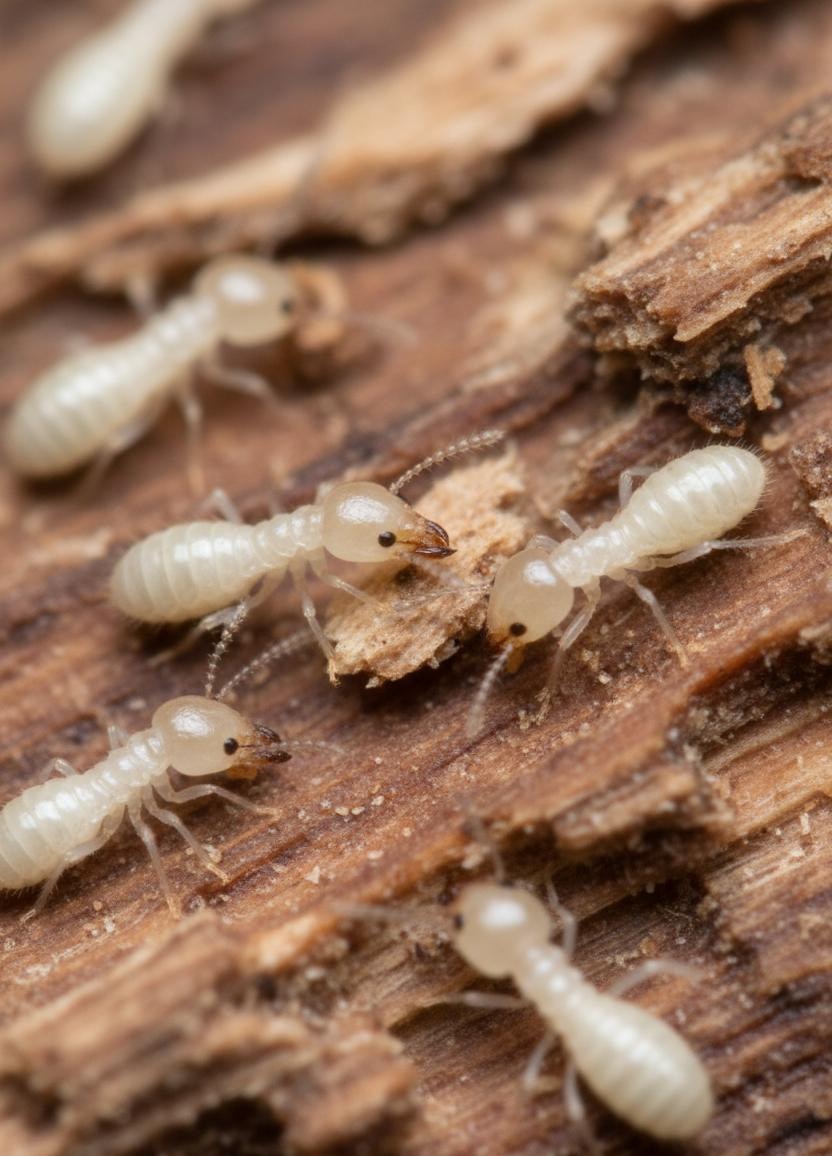
Subterranean Termites
Reticulitermes spp.
Wood-destroying insects that live in soil and enter structures through mud tubes, cracks, or hidden moisture paths.
Also known as subterranean termite, subterranean termites.
Visual Confirmation Checklist
Use several clues together before confirming this pest. One photo or one sign can be misleading.
- Workers are pale, soft-bodied insects; swarmers are dark with equal-length wings
- Mud tubes on foundations, piers, crawl spaces, or basement walls are a major clue
- Damaged wood may look layered, hollow, blistered, or packed with soil-like material
Signs of Infestation
- Mud tubes climbing foundation walls, slab edges, piers, or utility penetrations
- Discarded wings near windows, doors, or light sources after swarming
- Hollow-sounding or blistered wood, damaged trim, stuck doors, or sagging floors
Habitat
- soil
- foundation edges
- crawl spaces
- basements
- wood-to-soil contact
- moist structural wood
Health Risk
Subterranean termites are not a direct health threat, but they can cause serious hidden structural damage before activity is visible.
First Steps
- Photograph mud tubes, wings, damaged wood, and moisture conditions before disturbing them
- Check foundation edges, crawl spaces, basements, and plumbing penetrations
- Move wood, cardboard, and mulch away from the structure
- Avoid replacing damaged wood until the colony and moisture source are addressed
Treatment Methods
- Do not break all mud tubes before inspection; photograph them and note their locations
- Remove wood-to-soil contact, wet cardboard, scrap wood, and moisture sources near the foundation
- Use termite bait stations or a professional soil/liquid barrier system depending on construction
- Inspect crawl spaces, sill plates, expansion joints, and plumbing penetrations
- Repair moisture problems before replacing damaged wood
Professional Treatment Options
- Termite bait station system with colony monitoring
- Liquid soil treatment around foundation and entry points
- Crawl space and structural wood inspection
- Moisture correction and follow-up annual inspections
Call a professional immediately when mud tubes, swarmers, or structural wood damage are found. Termite control usually requires specialized inspection and treatment.
Prevention Tips
- Keep soil, mulch, and stored wood below siding and away from structural wood
- Fix leaks, drainage problems, and crawl space moisture
- Maintain visible foundation inspection gaps where possible
- Do not store firewood or lumber against the building
- Schedule periodic termite inspections in high-risk regions
Evidence and Comparison
Evidence to Compare
- Check for evidence such as mud tubes.
- Check for evidence such as discarded wings.
- Check for evidence such as damaged wood.
- Check for evidence such as swarmers.
- Check for evidence such as hollow wood.
Commonly Confused With
- Compare carefully with carpenter ants.
- Compare carefully with drywood termites.
- Compare carefully with powderpost beetles.
Life Cycle
Colonies live mainly underground with workers feeding on cellulose. Mature colonies produce winged swarmers that leave to start new colonies.
FAQ
Should I remove mud tubes before treatment?
Photograph them first and avoid destroying all evidence before inspection. Tube location helps determine where termites are entering.
Orientación sobre plagas revisada
Este perfil procede de la biblioteca verificada de Pest Or Not y ayuda a comparar rasgos, entender riesgos y decidir los siguientes pasos.
Última revisión July 2026
Pest Or Not es informativo y no sustituye el consejo médico, las etiquetas de pesticidas, las normas locales ni una inspección profesional cuando existe riesgo.
La IA puede ayudar a clasificar imágenes y organizar información. La orientación pública se contrasta con la base verificada y fuentes de referencia antes de publicarse.
Cómo revisamos el contenido