How to use this evidence
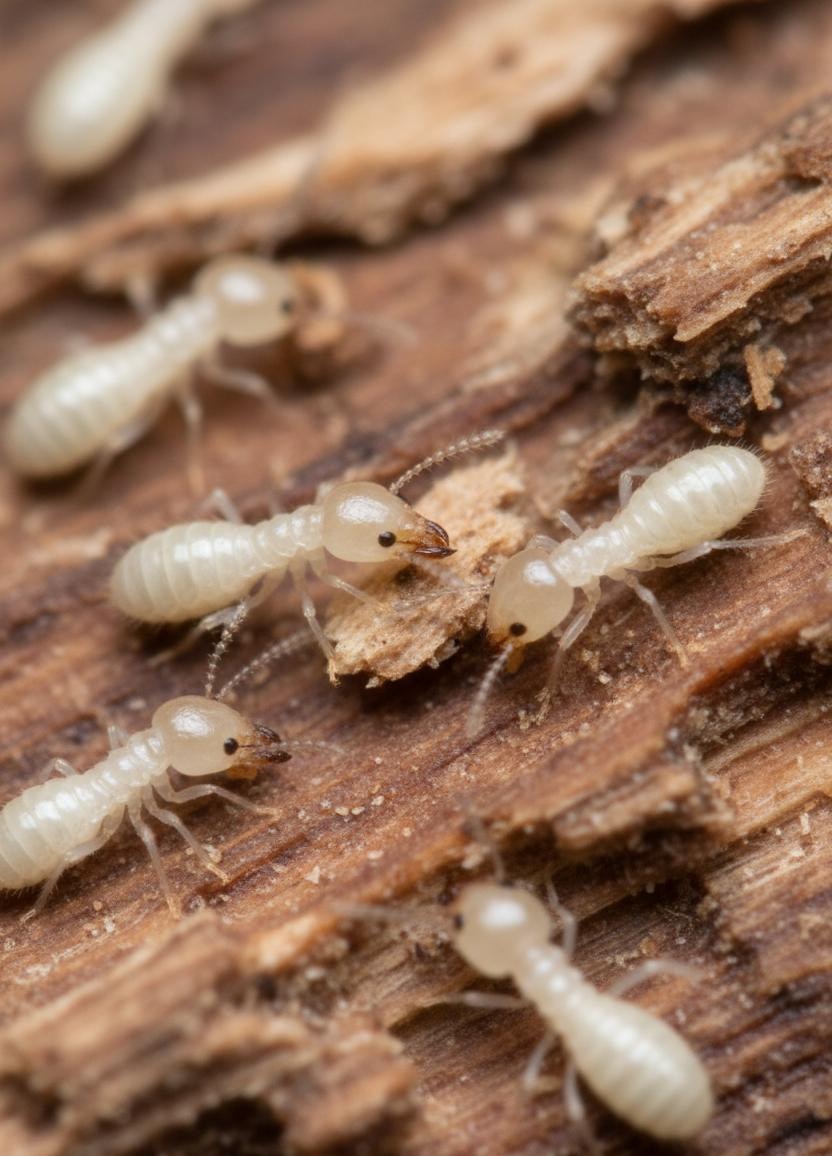
A clear photo can support a visual comparison with known pest evidence.
A photo alone cannot confirm the source or extent of an infestation. Check for matching physical evidence nearby.
What you found
Termite damage is characterized by hollow-sounding wood, mud tubes on foundation walls, and discarded wings near windows or doors. Subterranean termites cause over $5 billion in property damage annually in the US. Early detection is critical to preventing catastrophic structural failure.
Common places to check
- Inspect foundation walls and nearby hiding spots for matching evidence.
- Inspect crawl spaces and nearby hiding spots for matching evidence.
- Inspect window frames and nearby hiding spots for matching evidence.
- Inspect door frames and nearby hiding spots for matching evidence.
- Inspect attic and nearby hiding spots for matching evidence.
How to identify it
What it may indicate
Structural context
EXTREME risk. Can compromise load-bearing walls, floors, ceilings, and foundations. A single colony can consume a foot of 2x4 in 6 months.
Property context
Over $5 billion in US property damage annually. Repair costs often exceed $3,000-$10,000 for moderate infestations.
Infestation context
Mud tubes and discarded wings indicate an active colony nearby. Swarming typically occurs in spring.
Recommended actions
- 1Reduce moisture: fix leaks, improve drainage, clean gutters
- 2Eliminate wood-to-soil contact around the foundation
- 3Store firewood and lumber away from the house
- 4Seal visible cracks in foundation walls
- 5DO NOT disturb mud tubes before professional inspection
Prevention and monitoring
Professional options
- MANDATORY professional soil treatment with termiticides around foundation
- Bait station systems installed around property perimeter
- Direct wood treatment with borate-based products
- Annual inspections and monitoring by licensed professionals
- Foundation repair and moisture control planning
Explore pages related to Termite Damage
Follow the cluster from this evidence page to matching pest profiles and practical guides.
Guides using this evidence
Practical treatment and prevention pages where this sign matters.
Termites
Termite Damage vs Water Damage: How to Tell the Difference
Compare termite damage and water damage by wood texture, mud tubes, frass, moisture history, and when to schedule inspection.
Termites
Termite Frass vs Sawdust: Pellets, Dust, and Wood Damage Clues
Compare termite frass and sawdust by texture, location, kick-out holes, wood galleries, and when inspection is needed.
Termites
Carpenter Ant Frass vs Termite Frass: Debris, Pellets, and Wood Clues
Compare carpenter ant frass and termite frass by texture, insect parts, pellet shape, moisture, holes, and recurring debris.
Pest profiles to compare
Likely pests connected to this evidence type.