Profilo verificato dell’infestante
How to Identify Rats
Revisionato July 2026
Larger rodents that leave blunt droppings, greasy rub marks, gnaw damage, burrows, and strong urine odor around structures.
Questo è un profilo verificato. I risultati IA delle immagini caricate sono mostrati separatamente.
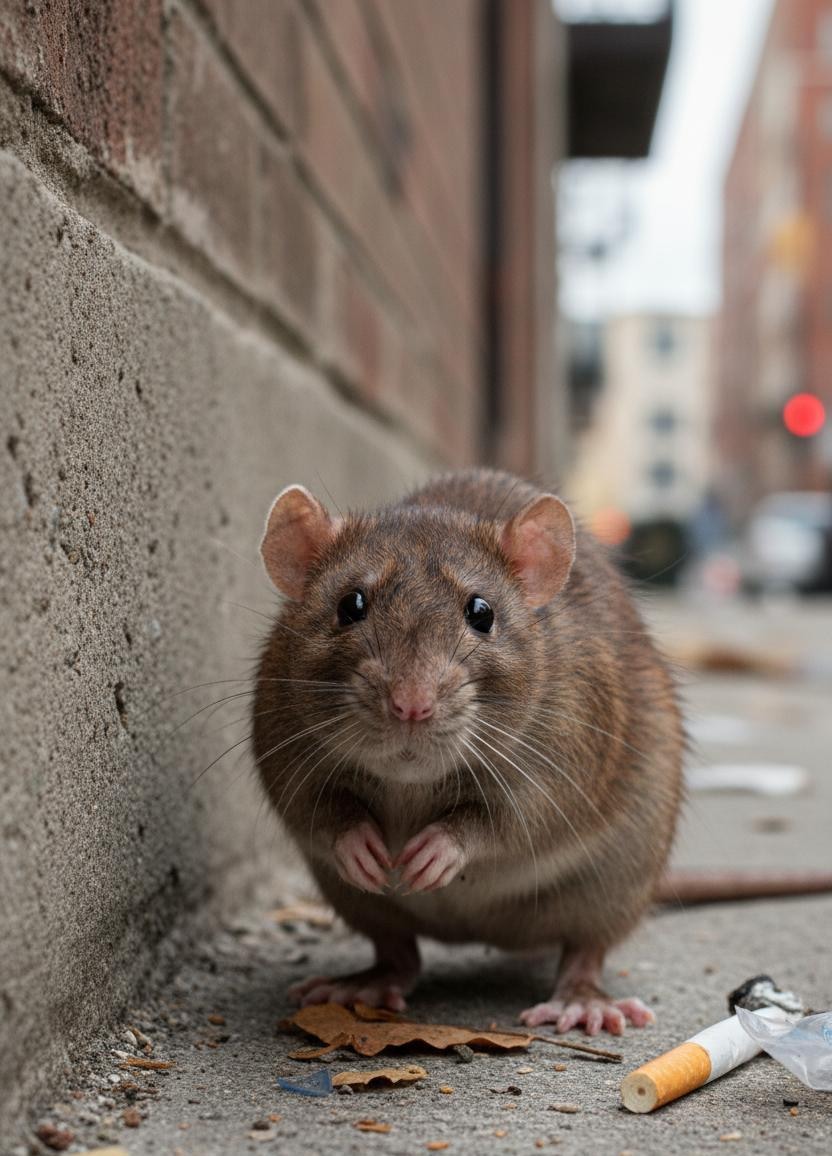
Rats
Rattus norvegicus
Larger rodents that leave blunt droppings, greasy rub marks, gnaw damage, burrows, and strong urine odor around structures.
Also known as rat, rats.
Visual Confirmation Checklist
Use several clues together before confirming this pest. One photo or one sign can be misleading.
- Larger than mice with heavier body, blunt nose, and thicker tail
- Droppings are larger, capsule-shaped, and often found along walls or near food sources
- Gnaw marks are larger and may damage wood, plastic, pipes, or wiring
Signs of Infestation
- Large droppings, greasy rub marks, and urine odor along walls or beams
- Burrows near foundations, sheds, trash areas, or vegetation
- Gnawed openings, damaged food storage, scratching noises, or visible runways
Habitat
- foundations
- crawl spaces
- garages
- trash areas
- sewers
- dense vegetation
Health Risk
Rats can contaminate food and surfaces, carry pathogens, introduce fleas or mites, and create bite risk if cornered or handled.
First Steps
- Look for large droppings, burrows, rub marks, and gnawed openings before setting traps
- Remove outdoor food sources such as trash, pet food, bird seed, and fallen fruit
- Place heavy traps or stations along walls and travel routes, away from children and pets
- Avoid sealing the main entry before reducing indoor activity
Treatment Methods
- Identify whether activity is indoors, outdoors, in burrows, or along utility lines before setting control devices
- Use heavy snap traps or tamper-resistant bait stations along walls and runways
- Remove open trash, pet food, fallen fruit, bird seed, and dense ground cover
- Seal large openings with metal, concrete, or hardware cloth after activity is reduced
- Do not handle live or dead rats with bare hands
Professional Treatment Options
- Rodent inspection and exclusion plan
- Burrow, crawl space, and exterior station program
- Interior trapping with follow-up monitoring
- Contamination cleanup and odor recommendations
Call a professional when rats are seen indoors, burrows are present near the foundation, wiring or pipes are damaged, or activity is repeated around trash or crawl spaces.
Prevention Tips
- Keep trash sealed and away from doors
- Remove clutter, wood piles, and dense vegetation near foundations
- Seal gaps around garage doors, vents, pipes, and crawl space doors
- Pick up pet food and fallen fruit nightly
- Inspect for burrows around sheds, decks, and foundations
Evidence and Comparison
Evidence to Compare
- Check for evidence such as large droppings.
- Check for evidence such as rub marks.
- Check for evidence such as burrows.
- Check for evidence such as gnaw damage.
- Check for evidence such as urine odor.
Commonly Confused With
- Compare carefully with mice.
- Compare carefully with squirrels.
- Compare carefully with opossums.
Life Cycle
Rats reproduce throughout the year when food and shelter are available, often nesting in burrows, wall voids, or protected storage areas.
FAQ
Are rats more serious than mice?
Rats are usually more destructive, harder to exclude, and more likely to create burrows or large gnaw damage, so repeated activity should be handled quickly.
Indicazioni sui parassiti verificate
Questo profilo proviene dalla libreria verificata di Pest Or Not e aiuta nel confronto visivo, nella valutazione del rischio e nei passi successivi.
Ultima revisione July 2026
Pest Or Not ha scopo informativo e non sostituisce il parere medico, le etichette dei pesticidi, le norme locali o un’ispezione professionale.
L’IA può aiutare a classificare le immagini caricate e a organizzare le informazioni. Le indicazioni pubbliche vengono confrontate con la banca dati verificata e fonti autorevoli.
Come verifichiamo i contenuti