Perfil de praga verificado
How to Identify Ticks
Revisto July 2026
Blood-feeding arachnids found on people, pets, wildlife, and vegetation. Main concern is disease risk after attachment.
Este é um perfil verificado. Os resultados de imagens por IA aparecem numa página separada.
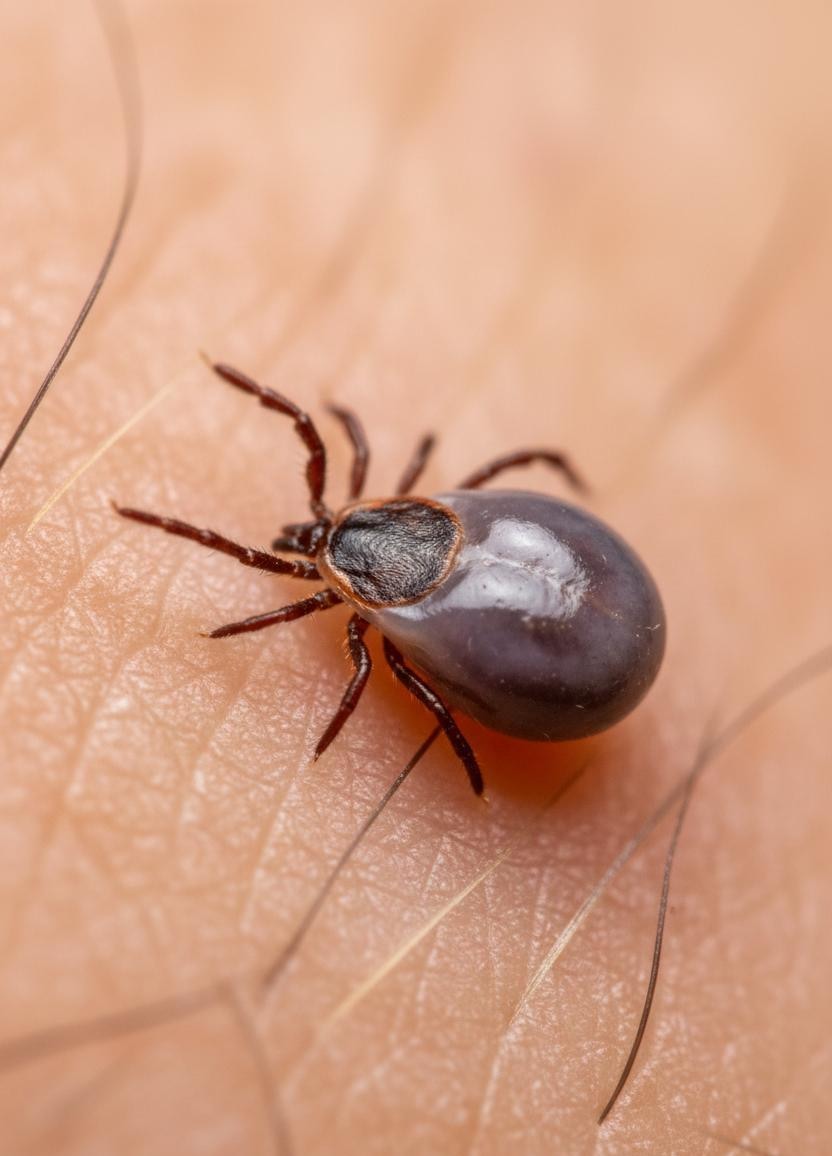
Ticks
Ixodida
Blood-feeding arachnids found on people, pets, wildlife, and vegetation. Main concern is disease risk after attachment.
Also known as tick, ticks.
Practical identification guidance
How to confirm Ticks
Ticks are eight-legged arachnids with a compact body that expands after feeding; species details depend on markings and life stage.
Check these details
- Photograph the back, mouthparts, legs, and scale before disposal.
- Record where the tick was found and whether it was attached.
Avoid a false match
Small spiders, mites, and beetles can be confused with unfed or immature ticks.
Best next step
Remove attached ticks promptly and use regional identification guidance for health decisions.
Visual Confirmation Checklist
Use several clues together before confirming this pest. One photo or one sign can be misleading.
- Eight-legged arachnids with a small oval body that swells after feeding
- Found attached to skin or crawling on clothing, pets, grass, or brush
- Nymphs can be very small and easy to miss
Signs of Infestation
- Ticks found attached to people or pets after outdoor exposure
- Ticks crawling on walls, bedding, or pet resting areas after being carried indoors
- High activity in tall grass, brush, leaf litter, or wildlife travel areas
Habitat
- tall grass
- brush
- leaf litter
- wood edges
- pet resting areas
- wildlife paths
Health Risk
Ticks can transmit diseases depending on species and region. Prompt correct removal and monitoring for symptoms are important after a bite.
First Steps
- Remove attached ticks with fine-tipped tweezers close to the skin; do not crush the body
- Clean the bite area and note the date and likely exposure location
- Check pets, clothing, bedding, and family members for additional ticks
- Watch for rash, fever, or flu-like symptoms and seek medical advice if they occur
Treatment Methods
- Remove attached ticks with fine-tipped tweezers by pulling steadily close to the skin
- Save the tick in a sealed bag or photo it if identification may be needed
- Check pets, clothing, hairline, armpits, waistline, and behind knees after outdoor exposure
- Use veterinarian-approved tick prevention for pets
- Reduce tall grass, leaf litter, and brush near paths and play areas
Professional Treatment Options
- Tick habitat inspection and yard risk assessment
- Targeted treatment along lawn edges, brush, and resting zones
- Wildlife and rodent harborage reduction recommendations
- Seasonal monitoring plan
Call a professional when ticks are repeatedly found on people or pets around the property, especially near brush, wildlife paths, or pet resting areas.
Prevention Tips
- Wear long pants and use EPA-registered repellents when entering brush or tall grass
- Perform full tick checks after outdoor activity
- Keep lawns mowed and create clear edges between yard and brush
- Discourage deer, rodents, and wildlife from resting near the home
- Treat pets consistently with veterinary tick prevention
Evidence and Comparison
Evidence to Compare
- Check for evidence such as attached ticks.
- Check for evidence such as ticks on pets.
- Check for evidence such as ticks on clothing.
- Check for evidence such as bites.
Commonly Confused With
- Compare carefully with fleas.
- Compare carefully with mites.
- Compare carefully with bed bugs.
Life Cycle
Ticks develop from egg to larva, nymph, and adult, usually needing blood meals at multiple stages and often using wildlife hosts.
FAQ
When should I seek medical advice after a tick bite?
Seek medical advice if you develop fever, rash, flu-like symptoms, spreading redness, or if the tick may have been attached for an extended period.
Orientação sobre pragas revista
Este perfil vem da biblioteca verificada da Pest Or Not e apoia a comparação visual, o contexto de risco e os próximos passos.
Última revisão July 2026
Pest Or Not é informativo e não substitui aconselhamento médico, rótulos de pesticidas, regras locais ou uma inspeção profissional quando o risco é elevado.
A IA pode ajudar a classificar imagens e organizar informação. A orientação pública é verificada com a base validada e fontes de referência antes da publicação.
Como revemos o conteúdo