Photo confirmation checklist
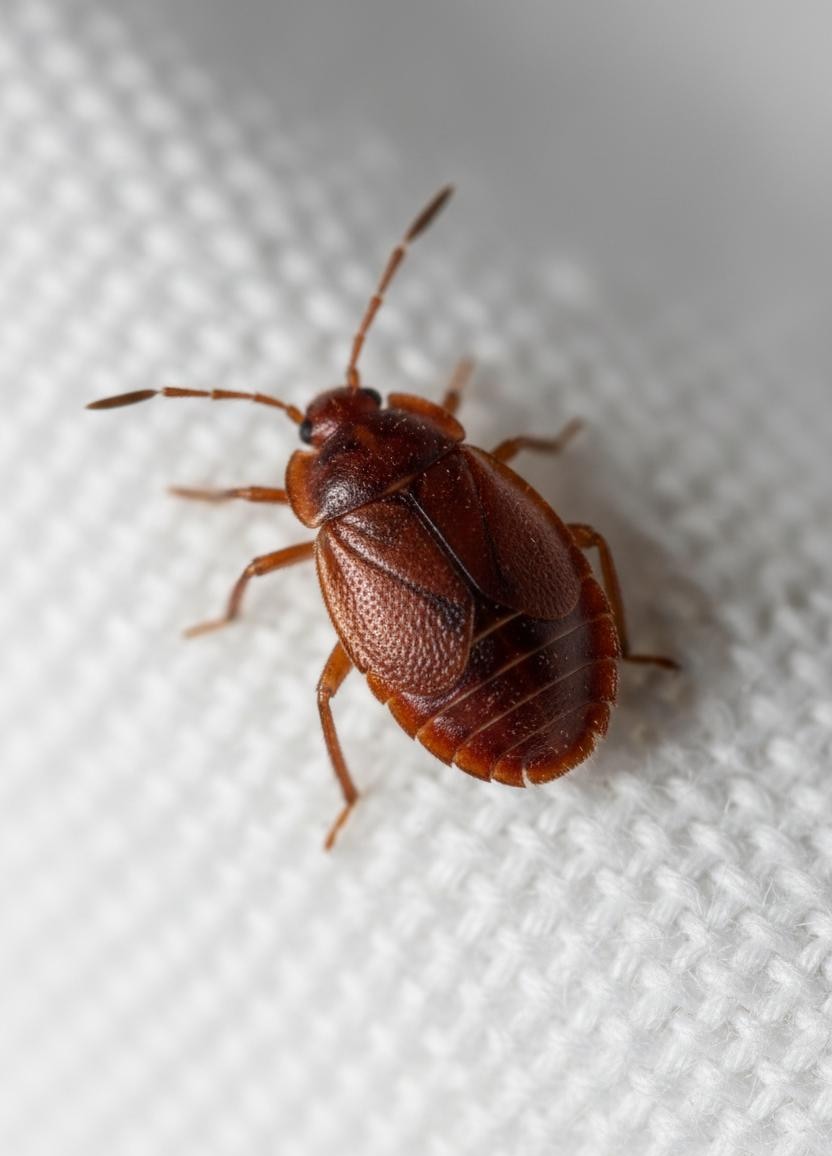
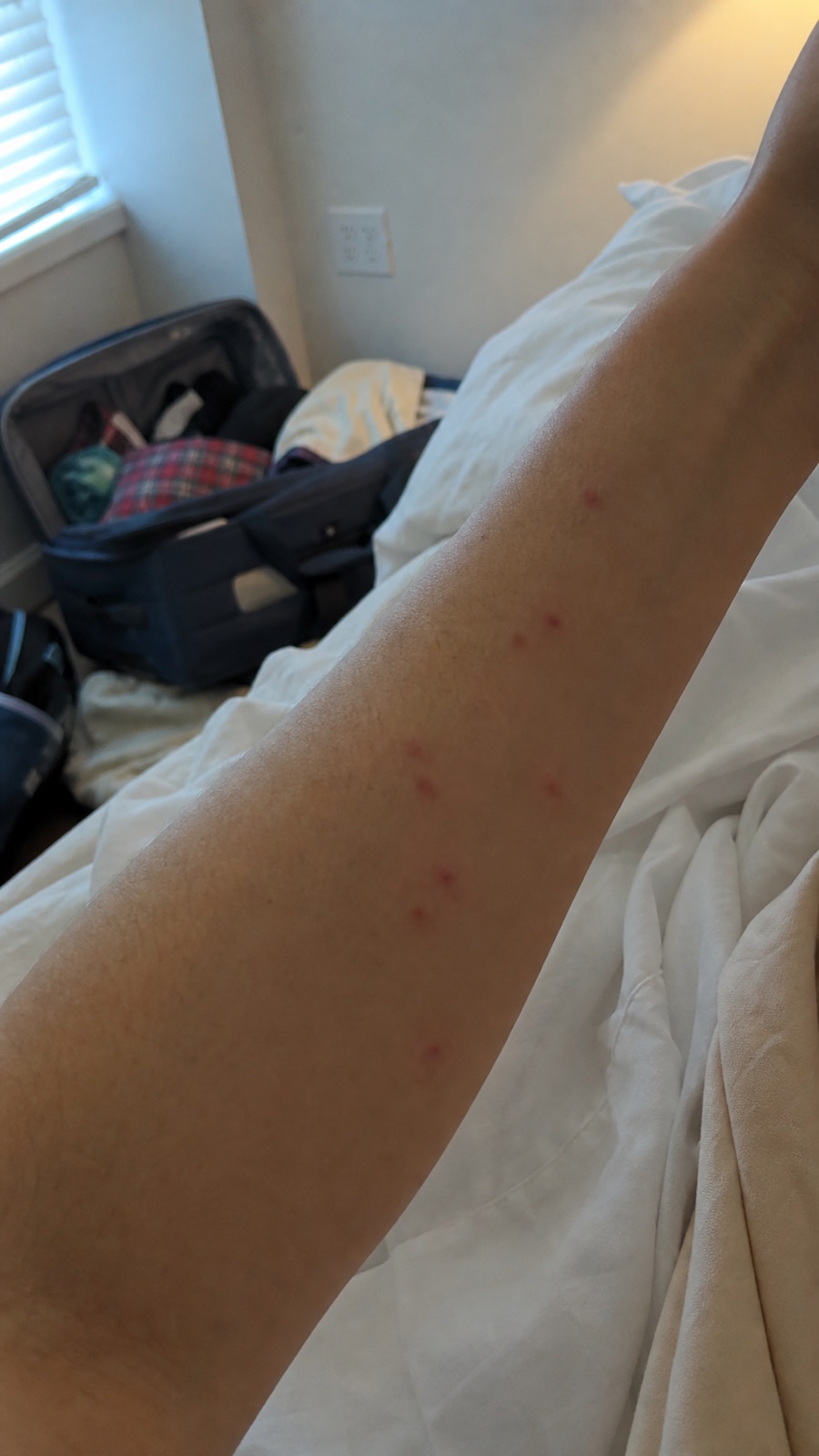
Use these visual checks to compare the pest, the evidence, and the likely source area before choosing a treatment path.
Quick answer
What to know first
Start with mattress seams, box springs, bed frames, headboards, and nearby furniture. Then inspect sofas, luggage, baseboards, curtains, outlets, and shared-wall cracks if evidence continues.
Check first
- Mattress seams, piping, labels, tufts, and box spring edges
- Headboards, bed frame joints, screw holes, and nearby nightstands
- Sofas, luggage, baseboards, curtains, and wall gaps near sleeping areas
Avoid this
- Only checking the top of the mattress
- Moving infested items before photographing evidence
- Using foggers before mapping where activity is concentrated
Overview
Bed bugs hide close to where people rest, but they can spread into cracks, furniture joints, luggage, wall gaps, and nearby sofas. A careful inspection follows the resting site outward instead of checking random rooms first.
Key signs to check
What to do now
- 1Use a flashlight and card edge to inspect seams, joints, and cracks.
- 2Photograph stains, eggs, shed skins, or insects before cleaning.
- 3Bag suspect fabrics before moving them through the home.
- 4Install interceptors or monitors after the first inspection pass.
Prevention checklist
When to call a professional
Call a professional when live bugs, eggs, or repeated evidence are found, especially in more than one room.
FAQ
Can bed bugs hide in walls?
Yes. They can use cracks, baseboards, outlets, and shared-wall gaps when activity grows or spreads.
Should I inspect sofas too?
Yes, especially if people sleep or rest there, or if bites occur away from the bedroom.