Perfil verificado de plaga
How to Identify Fleas
Revisado July 2026
Small jumping blood-feeding insects linked to pets, wildlife, carpets, bedding, and shaded outdoor resting areas.
Este es un perfil verificado. Los resultados de imágenes con IA se muestran en una página separada.
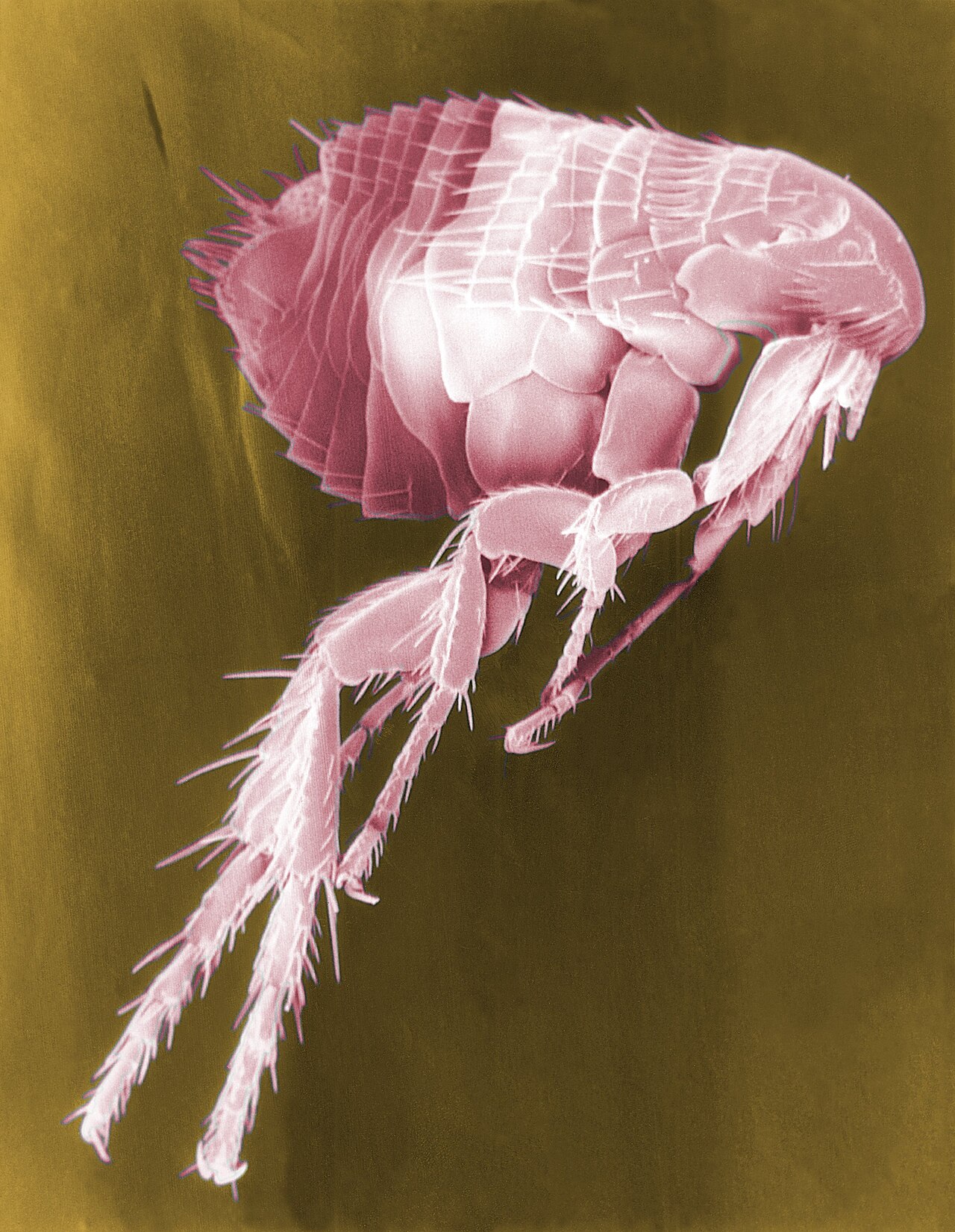
Fleas
Siphonaptera
Small jumping blood-feeding insects linked to pets, wildlife, carpets, bedding, and shaded outdoor resting areas.
Also known as flea, fleas.
Practical identification guidance
How to confirm Fleas
Adult fleas are tiny, dark, laterally flattened insects with powerful hind legs that move quickly through pet hair and fabrics.
Check these details
- Comb pets over a white surface and inspect flea dirt with a damp tissue.
- Check pet bedding and floor edges for jumping adults.
Avoid a false match
Springtails also jump but favor damp surfaces and do not live on pets or bite.
Best next step
Coordinate pet treatment with cleaning and monitoring of resting areas.
Visual Confirmation Checklist
Use several clues together before confirming this pest. One photo or one sign can be misleading.
- Very small, dark, laterally flattened insects that jump quickly
- Adults are often seen on pets, socks, bedding, or carpets
- Flea dirt appears as black specks that turn reddish-brown when wet
Signs of Infestation
- Pets scratching, biting, or grooming excessively
- Small bites around ankles or lower legs
- Flea dirt in pet bedding, carpets, rugs, sofas, or sleeping areas
Habitat
- pet bedding
- carpets
- rugs
- sofas
- shaded yards
- wildlife resting areas
Health Risk
Flea bites can cause itching, allergic dermatitis, secondary infection from scratching, and can affect pets heavily. Some fleas may transmit pathogens or tapeworms through pets.
First Steps
- Check pets and pet bedding for flea dirt using a damp white paper towel
- Start veterinarian-approved treatment for all pets in the home
- Wash bedding and vacuum carpets, sofas, and pet resting areas thoroughly
- Repeat vacuuming frequently because pupae can emerge after the first cleanup
Treatment Methods
- Treat all pets with veterinarian-approved flea control on the same schedule
- Wash pet bedding and washable fabrics in hot water and dry thoroughly
- Vacuum carpets, rugs, furniture edges, and cracks daily for 1-2 weeks
- Dispose of vacuum contents outdoors after each cleaning
- Treat shaded outdoor resting areas only when they are part of the source
Professional Treatment Options
- Interior growth regulator and targeted treatment
- Outdoor source inspection around pet and wildlife resting areas
- Follow-up treatment timed to flea emergence
- Pet-treatment coordination recommendations
Call a professional when bites continue after pet treatment and cleaning, wildlife is nesting nearby, or fleas are active in multiple rooms.
Prevention Tips
- Keep pets on consistent flea prevention recommended by a veterinarian
- Wash pet bedding regularly
- Vacuum high-resting areas where pets sleep
- Reduce wildlife access under decks, sheds, and crawl spaces
- Avoid letting pets rest in known wildlife bedding areas
Evidence and Comparison
Evidence to Compare
- Check for evidence such as jumping insects.
- Check for evidence such as flea dirt.
- Check for evidence such as pet scratching.
- Check for evidence such as ankle bites.
Commonly Confused With
- Compare carefully with bed bugs.
- Compare carefully with ticks.
- Compare carefully with carpet beetles.
Life Cycle
Eggs fall from hosts into carpets, bedding, and resting areas. Larvae develop in debris and pupae can remain dormant until vibration or warmth triggers emergence.
FAQ
Why do fleas come back after cleaning?
Pupae can survive in carpets and cracks for weeks. Repeated vacuuming and pet treatment are needed to break the cycle.
Orientación sobre plagas revisada
Este perfil procede de la biblioteca verificada de Pest Or Not y ayuda a comparar rasgos, entender riesgos y decidir los siguientes pasos.
Última revisión July 2026
Pest Or Not es informativo y no sustituye el consejo médico, las etiquetas de pesticidas, las normas locales ni una inspección profesional cuando existe riesgo.
La IA puede ayudar a clasificar imágenes y organizar información. La orientación pública se contrasta con la base verificada y fuentes de referencia antes de publicarse.
Cómo revisamos el contenido