Perfil verificado de plaga
How to Identify Mosquitoes
Revisado July 2026
Flying biting insects that breed in standing water. Risk comes from bites, nuisance pressure, and possible mosquito-borne disease in some regions.
Este es un perfil verificado. Los resultados de imágenes con IA se muestran en una página separada.
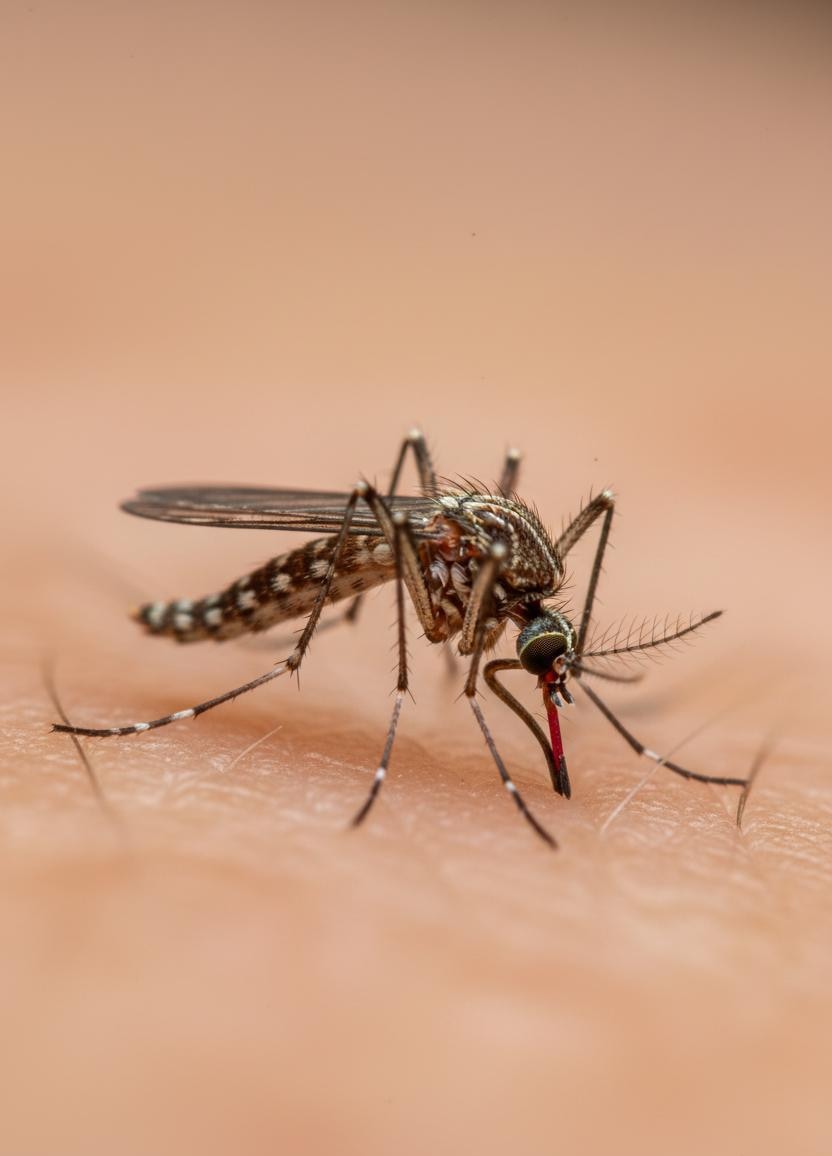
Mosquitoes
Culicidae
Flying biting insects that breed in standing water. Risk comes from bites, nuisance pressure, and possible mosquito-borne disease in some regions.
Also known as mosquitoe, mosquitoes.
Visual Confirmation Checklist
Use several clues together before confirming this pest. One photo or one sign can be misleading.
- Slender flying insects with long legs, narrow wings, and a piercing mouthpart
- Often active at dawn, dusk, shaded areas, or near standing water
- Larvae wiggle at the surface of stagnant water in containers, drains, bird baths, or ponds
Signs of Infestation
- Repeated bites outdoors or near open windows and doors
- Larvae in buckets, saucers, gutters, drains, tarps, toys, bird baths, or neglected pools
- Adult mosquitoes resting in shaded vegetation, under decks, or around damp areas
Habitat
- standing water
- gutters
- bird baths
- plant saucers
- shaded vegetation
- patios
Health Risk
Mosquito bites can cause itching and allergic swelling. In some regions, mosquitoes may transmit diseases such as West Nile virus, dengue, Zika, or other local pathogens.
First Steps
- Empty every container holding water, including saucers, buckets, tarps, toys, and bird baths
- Check gutters, drains, and low spots that hold water after rain
- Use repellent and protective clothing during dawn and dusk activity
- Repair torn screens and close gaps around doors
Treatment Methods
- Empty and scrub containers holding water, including saucers, buckets, toys, tarps, and bird baths
- Use Bti mosquito dunks or granules in standing water that cannot be drained
- Use EPA-registered repellents according to label directions when outdoors
- Install or repair window and door screens
- Reduce shaded resting areas by trimming dense vegetation near patios and doors
Professional Treatment Options
- Breeding-site inspection and larval source reduction
- Bti larvicide treatment for water that cannot be drained
- Targeted adult mosquito barrier treatment around resting vegetation
- Seasonal monitoring and retreatment plan
Call a professional when mosquito pressure remains high after water removal, when large breeding areas cannot be drained, or when local disease risk is elevated.
Prevention Tips
- Empty standing water at least weekly after rain or irrigation
- Clean gutters so water does not pool
- Keep pools, fountains, and ponds maintained or treated
- Use fans on patios because mosquitoes are weak fliers
- Wear long sleeves and use repellents during peak activity times
Evidence and Comparison
Evidence to Compare
- Check for evidence such as bites.
- Check for evidence such as larvae in water.
- Check for evidence such as standing water.
- Check for evidence such as adult sightings.
Commonly Confused With
- Compare carefully with drain flies.
- Compare carefully with gnats.
- Compare carefully with midges.
Life Cycle
Mosquitoes lay eggs in or near water. Larvae develop in standing water and become adults quickly in warm weather.
FAQ
What is the most important mosquito control step?
Removing standing water is the most important first step because mosquitoes need water to complete their life cycle.
Orientación sobre plagas revisada
Este perfil procede de la biblioteca verificada de Pest Or Not y ayuda a comparar rasgos, entender riesgos y decidir los siguientes pasos.
Última revisión July 2026
Pest Or Not es informativo y no sustituye el consejo médico, las etiquetas de pesticidas, las normas locales ni una inspección profesional cuando existe riesgo.
La IA puede ayudar a clasificar imágenes y organizar información. La orientación pública se contrasta con la base verificada y fuentes de referencia antes de publicarse.
Cómo revisamos el contenido