Profilo verificato dell’infestante
How to Identify German Cockroach
Revisionato July 2026
Small fast-breeding cockroaches found around kitchens, bathrooms, appliances, and cabinets. Two dark stripes behind the head are the key visual clue.
Questo è un profilo verificato. I risultati IA delle immagini caricate sono mostrati separatamente.
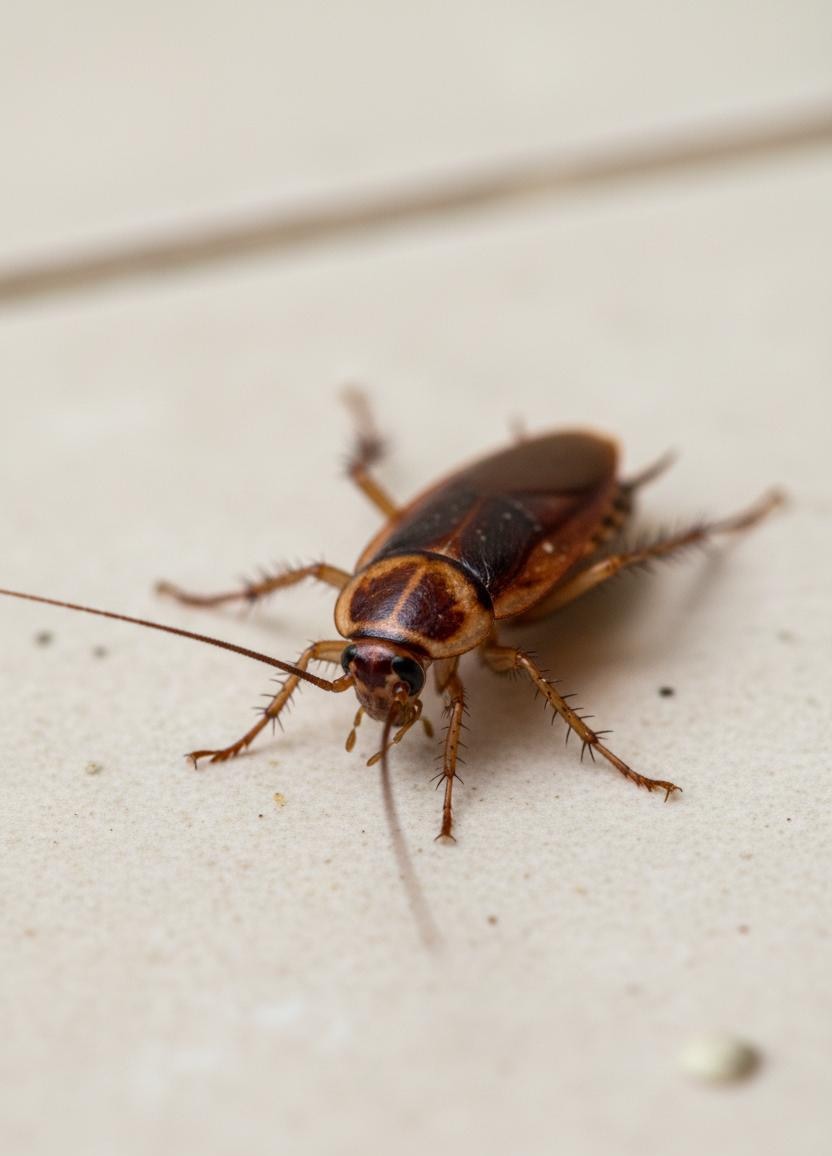
German Cockroach
Blattella germanica
Small fast-breeding cockroaches found around kitchens, bathrooms, appliances, and cabinets. Two dark stripes behind the head are the key visual clue.
Also known as german cockroach.
Practical identification guidance
How to confirm German Cockroach
German cockroaches are small tan cockroaches with two dark parallel stripes behind the head.
Check these details
- Inspect warm, humid cracks near appliances, sinks, and cabinets after dark.
- Look for pepper-like droppings, egg cases, and small wingless nymphs.
Avoid a false match
Brown-banded cockroaches lack the same two dark pronotal stripes and favor drier, higher areas.
Best next step
Use monitoring traps to map activity before placing gel bait in active cracks.
Visual Confirmation Checklist
Use several clues together before confirming this pest. One photo or one sign can be misleading.
- Adults are light brown, about 13-16 mm long, with two dark stripes behind the head
- Nymphs are darker and smaller but show the same stripe pattern
- Most activity occurs at night near warm motors, sinks, dishwashers, cabinets, and food residue
Signs of Infestation
- Pepper-like droppings in cabinet corners, hinges, drawers, or behind appliances
- Tan egg cases hidden in cracks, appliance gaps, or cardboard
- Musty odor, smear marks, and daytime sightings when populations are high
Habitat
- kitchens
- bathrooms
- dishwashers
- refrigerator motors
- cabinet hinges
- wall voids
Health Risk
German cockroaches can contaminate food surfaces and trigger asthma or allergies through droppings, saliva, and shed skins.
First Steps
- Place sticky monitors under the sink, behind the refrigerator, near the dishwasher, and inside lower cabinets
- Clean grease and food residue before applying bait so roaches choose the bait
- Apply small gel bait placements in hidden cracks, not open counter surfaces
- Remove cardboard, leaking water, and overnight food sources
Treatment Methods
- Place small dots of cockroach gel bait in cracks near appliances, sinks, hinges, and cabinet corners
- Use sticky monitors to locate active zones before and after treatment
- Remove crumbs, grease, standing water, cardboard clutter, and open food each night
- Avoid broad repellent sprays that can scatter roaches and reduce bait performance
- Seal cracks after activity is reduced so hidden populations are not sealed into wall voids
Professional Treatment Options
- Integrated baiting and monitoring program
- Insect growth regulator treatment to interrupt reproduction
- Dust treatment in wall voids and appliance gaps where appropriate
- Follow-up visits until monitors show no activity
Call a professional when roaches are seen in daytime, activity continues after baiting, multiple rooms are involved, or the property is multi-unit housing.
Prevention Tips
- Clean grease behind and under appliances regularly
- Fix leaks under sinks and around dishwashers
- Store food and pet food in sealed containers overnight
- Take trash out daily or use tight-fitting lids
- Inspect used appliances, cardboard boxes, and grocery packaging before storing them
Evidence and Comparison
Evidence to Compare
- Check for evidence such as droppings.
- Check for evidence such as egg cases.
- Check for evidence such as night sightings.
- Check for evidence such as odor.
- Check for evidence such as smear marks.
Commonly Confused With
- Compare carefully with american cockroach.
- Compare carefully with brown banded cockroach.
- Compare carefully with oriental cockroach.
Life Cycle
Females carry egg cases until they are close to hatching, allowing indoor populations to grow very quickly when food and moisture are available.
FAQ
Why am I seeing German cockroaches during the day?
Daytime sightings often mean the hiding areas are crowded or disturbed, which can indicate a larger infestation.
Indicazioni sui parassiti verificate
Questo profilo proviene dalla libreria verificata di Pest Or Not e aiuta nel confronto visivo, nella valutazione del rischio e nei passi successivi.
Ultima revisione July 2026
Pest Or Not ha scopo informativo e non sostituisce il parere medico, le etichette dei pesticidi, le norme locali o un’ispezione professionale.
L’IA può aiutare a classificare le immagini caricate e a organizzare le informazioni. Le indicazioni pubbliche vengono confrontate con la banca dati verificata e fonti autorevoli.
Come verifichiamo i contenuti