How to use this evidence
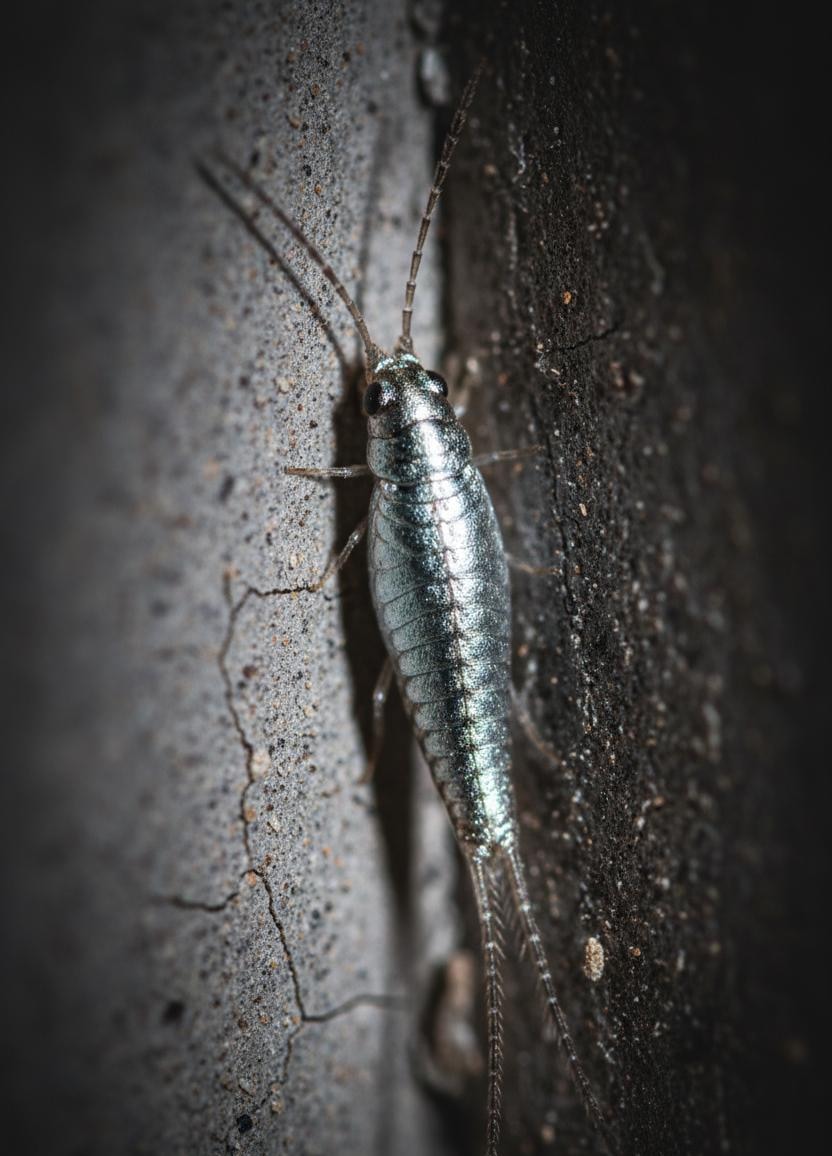
A clear photo can support a visual comparison with known pest evidence.
A photo alone cannot confirm the source or extent of an infestation. Check for matching physical evidence nearby.
What you found
Silverfish damage often appears on starchy materials such as paper, glue, wallpaper, and cardboard. It is usually associated with humidity and hidden storage areas rather than direct health risk.
Common places to check
- Inspect bathrooms and nearby hiding spots for matching evidence.
- Inspect basements and nearby hiding spots for matching evidence.
- Inspect closets and nearby hiding spots for matching evidence.
- Inspect bookshelves and nearby hiding spots for matching evidence.
- Inspect storage boxes and nearby hiding spots for matching evidence.
How to identify it
Irregular scraped or notched feeding marks
Damage to paper, book bindings, wallpaper, or cardboard
Activity in damp, dark areas
May appear with shed skins or live silverfish
What it may indicate
Property context
Can damage stored papers, books, photos, wallpaper, and some fabrics.
Infestation context
Damage suggests a damp hiding area supporting activity.
Recommended actions
- 1Reduce humidity and fix leaks
- 2Store papers and fabrics in sealed containers
- 3Vacuum cracks and storage corners
- 4Remove damp cardboard storage
Prevention and monitoring
Use dehumidifiers in damp rooms
Improve ventilation
Avoid long-term cardboard storage
Seal cracks around baseboards
Professional options
- Inspection of moisture and hiding areas
- Targeted treatment in cracks and voids if activity is widespread
Explore pages related to Silverfish Damage
Follow the cluster from this evidence page to matching pest profiles and practical guides.
Guides using this evidence
Practical treatment and prevention pages where this sign matters.