Photo confirmation checklist
Use these visual checks to compare the pest, the evidence, and the likely source area before choosing a treatment path.
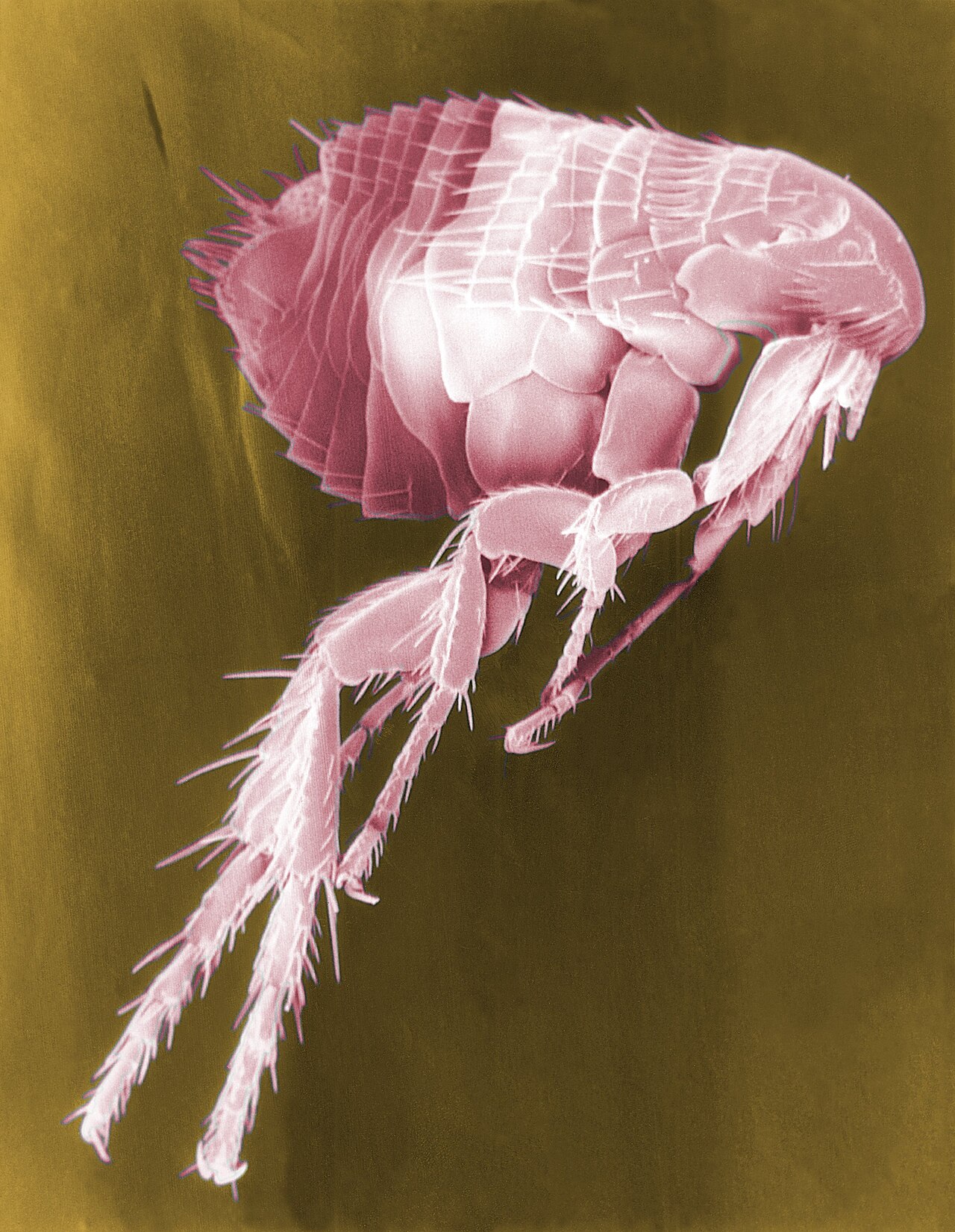
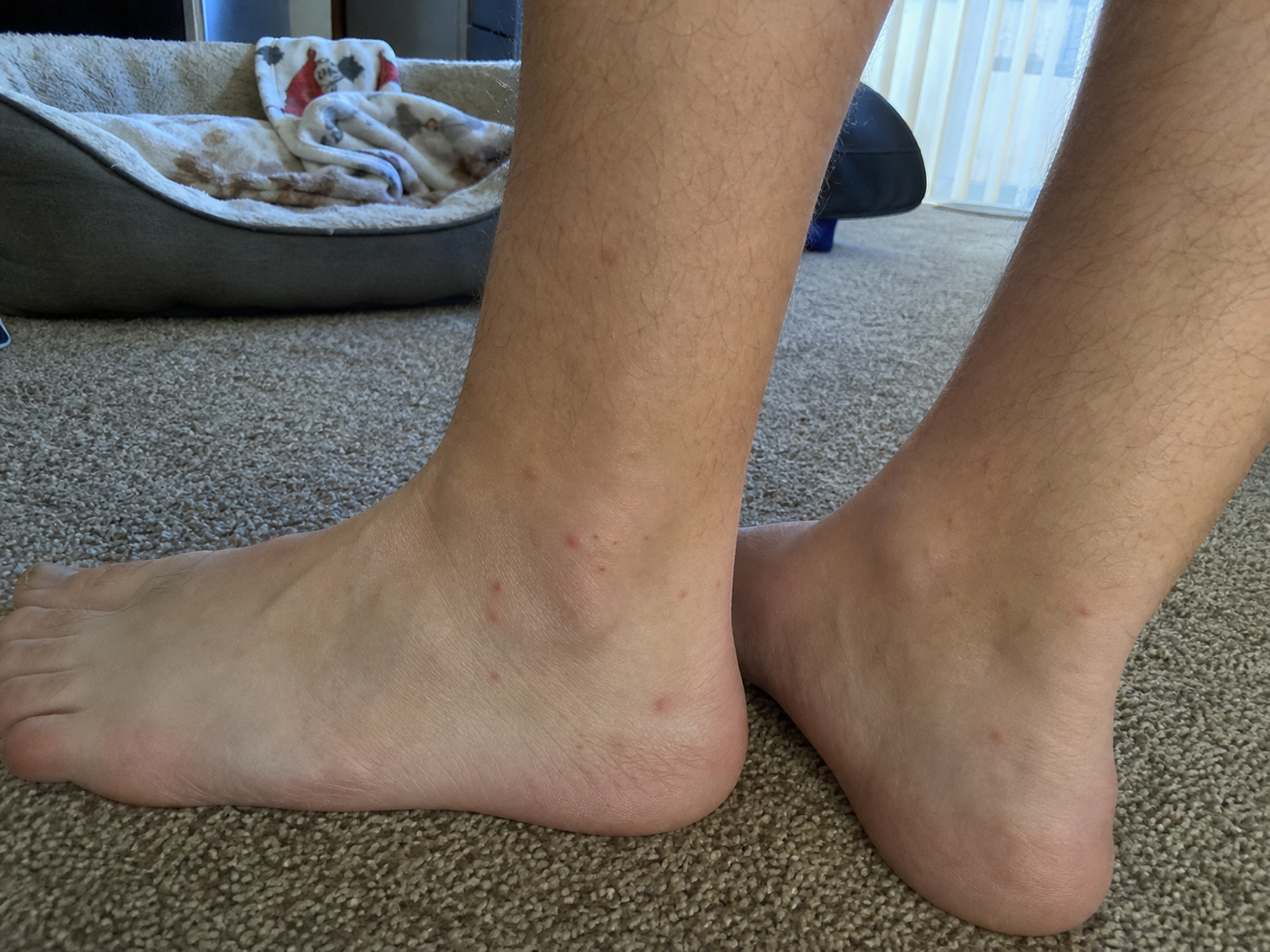
Quick answer
What to know first
Flea control works when pets, bedding, carpets, furniture, and sometimes outdoor resting areas are addressed together. Treating only the pet or only the room often leaves eggs and pupae behind.
Check first
- Pets scratching, flea dirt, small jumping insects, or ankle bites
- Pet bedding, sofas, rugs, carpets, and shaded resting zones
- Wildlife access under decks, crawl spaces, sheds, or yard edges
Avoid this
- Stopping after one cleaning pass
- Treating only one pet when several animals share the home
- Ignoring outdoor or wildlife sources when no pets are present
Overview
Flea control requires treating pets, indoor resting areas, and sometimes outdoor hotspots at the same time. Eggs, larvae, pupae, and adults can be spread across carpets, bedding, furniture, and shaded yard areas.
Key signs to check
What to do now
- 1Use veterinarian-approved flea treatment for all pets in the home.
- 2Wash pet bedding and blankets on hot settings.
- 3Vacuum carpets, rugs, furniture seams, and pet resting areas frequently.
- 4Dispose of vacuum contents outside in a sealed bag.
Prevention checklist
When to call a professional
Professional treatment is useful when bites continue after pet treatment and cleaning or when wildlife nesting areas are involved.
FAQ
Why do fleas keep appearing after treatment?
Pupae can continue emerging for weeks. Vacuuming and follow-up treatment help break the cycle.
Do indoor-only pets get fleas?
Yes. Fleas can enter on people, other animals, or wildlife near the home.