Photo confirmation checklist
Use these visual checks to compare the pest, the evidence, and the likely source area before choosing a treatment path.
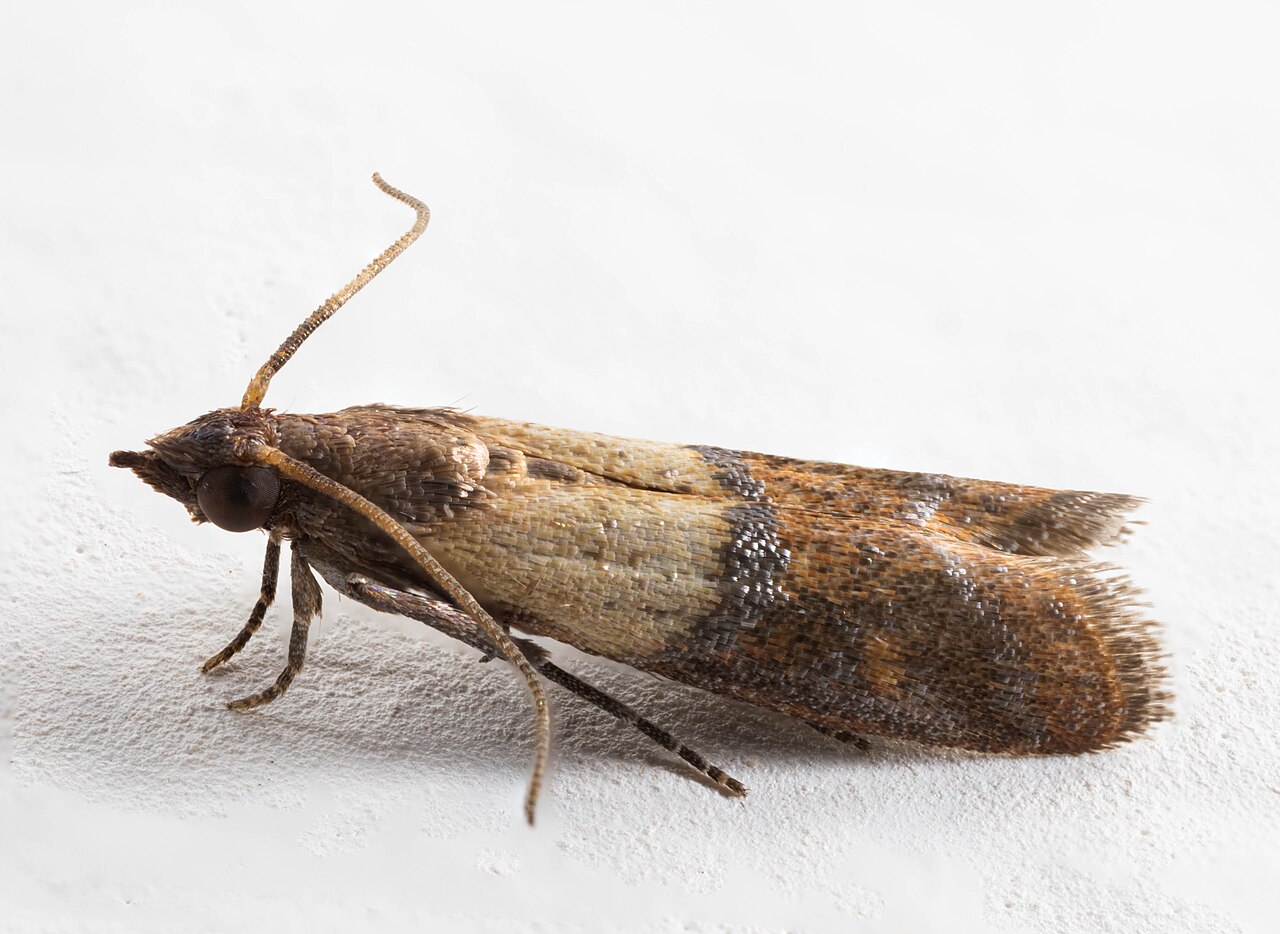
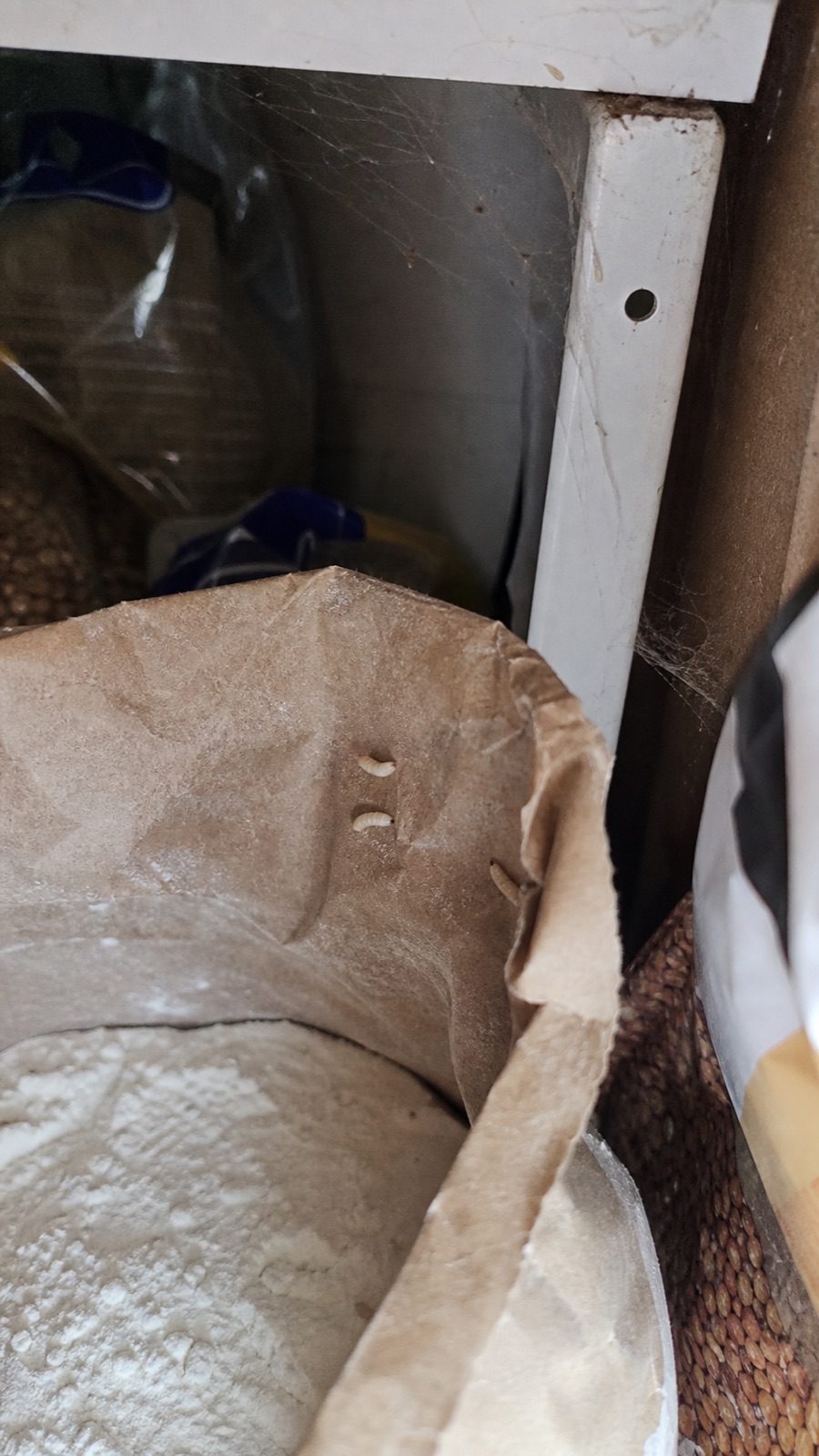
Quick answer
What to know first
Pantry moths usually start in stored dry foods. Adults are visible, but larvae and webbing inside packaging reveal the true source. The key is finding every infested item and cleaning shelf cracks where larvae pupate.
Check first
- Small moths flying in kitchens or pantries
- Webbing inside grains, flour, nuts, pet food, or dried fruit
- Larvae crawling on shelves or ceilings
Avoid this
- Treating shelves without inspecting the infested food or fabric source
- Keeping packages that show webbing, larvae, holes, or cast skins
- Using pesticide directly on food, clothing, or bedding
Overview
Pantry moths usually start in stored dry foods. Adults are visible, but larvae and webbing inside packaging reveal the true source. The key is finding every infested item and cleaning shelf cracks where larvae pupate.
Key signs to check
What to do now
- 1Inspect all dry goods, including unopened packages.
- 2Discard infested food in sealed bags outside the home.
- 3Vacuum shelf cracks, peg holes, and corners.
- 4Store replacement food in hard sealed containers.
Prevention checklist
When to call a professional
Professional help is useful when moths continue after all food sources are removed or when larvae are hidden in structural cracks.
FAQ
Can pantry moths get into sealed food?
Thin cardboard or loose plastic may not stop them. Hard sealed containers work better.
Are pantry moth traps enough?
Traps monitor adults. Infested food and larvae must still be removed.