Photo confirmation checklist
Use these visual checks to compare the pest, the evidence, and the likely source area before choosing a treatment path.
Quick answer
What to know first
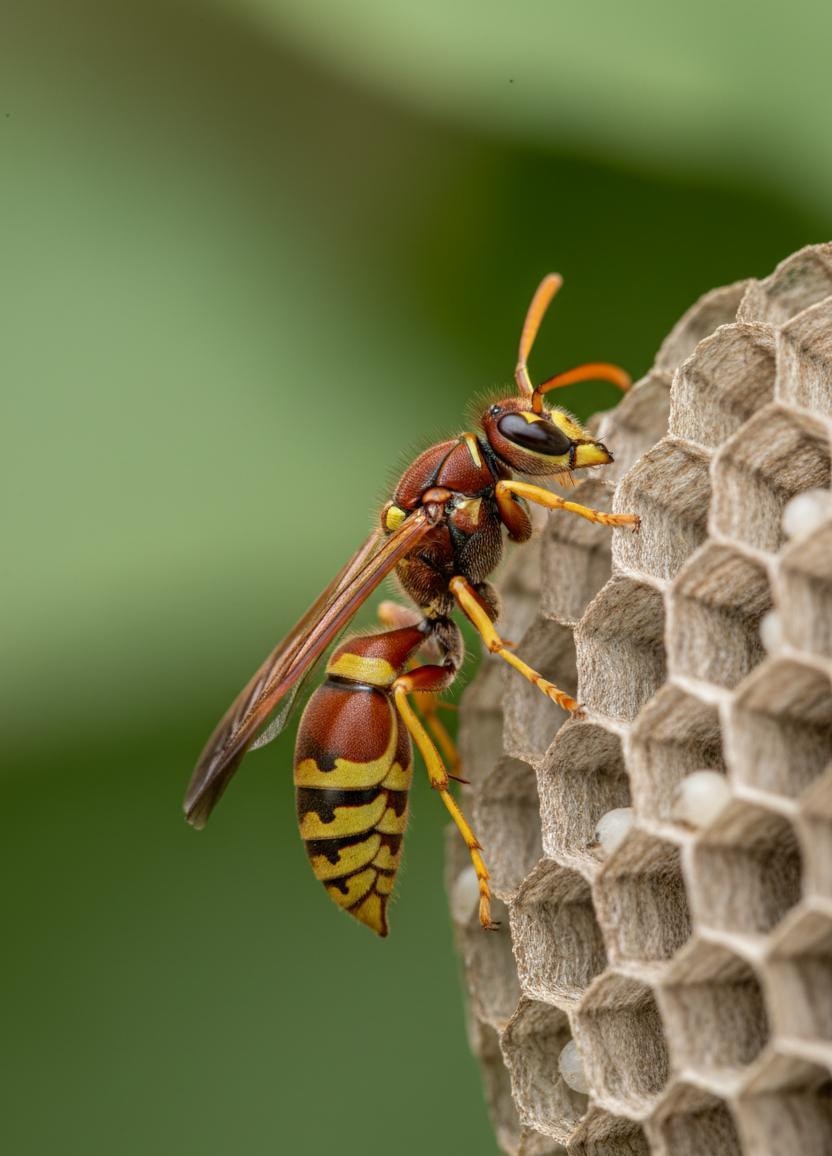
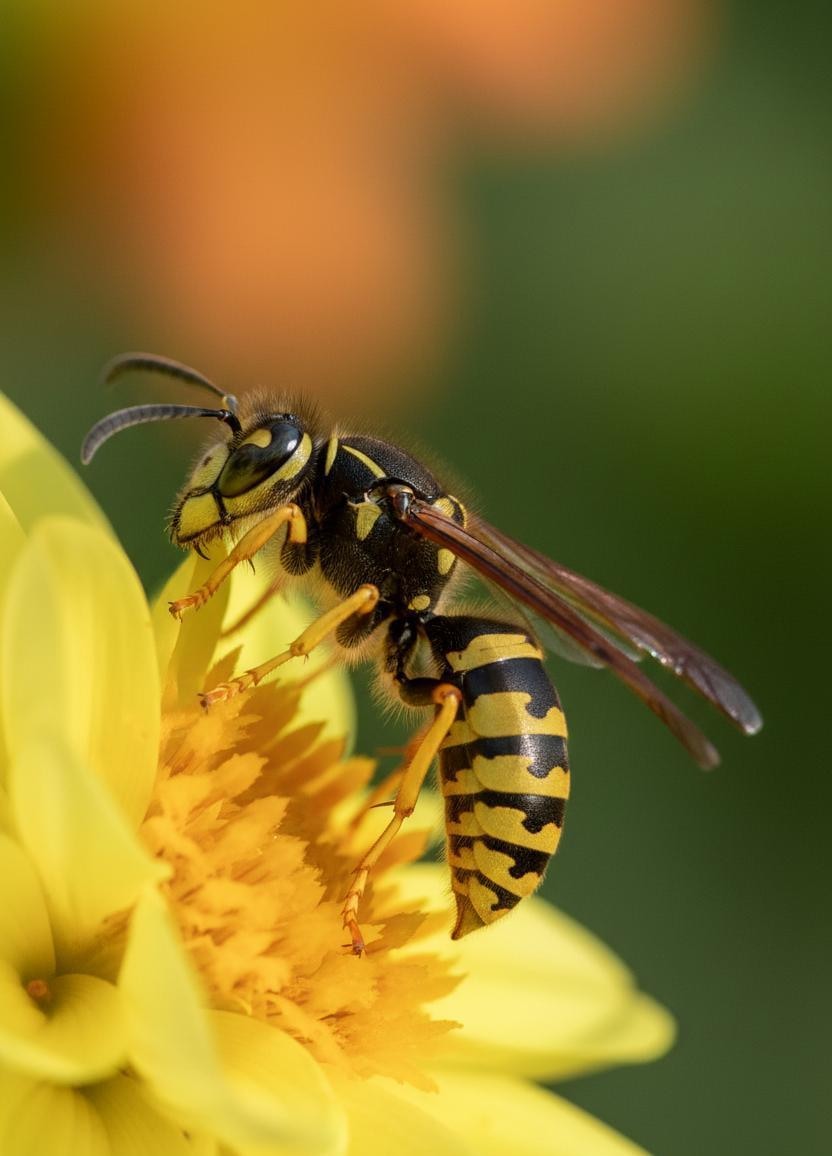
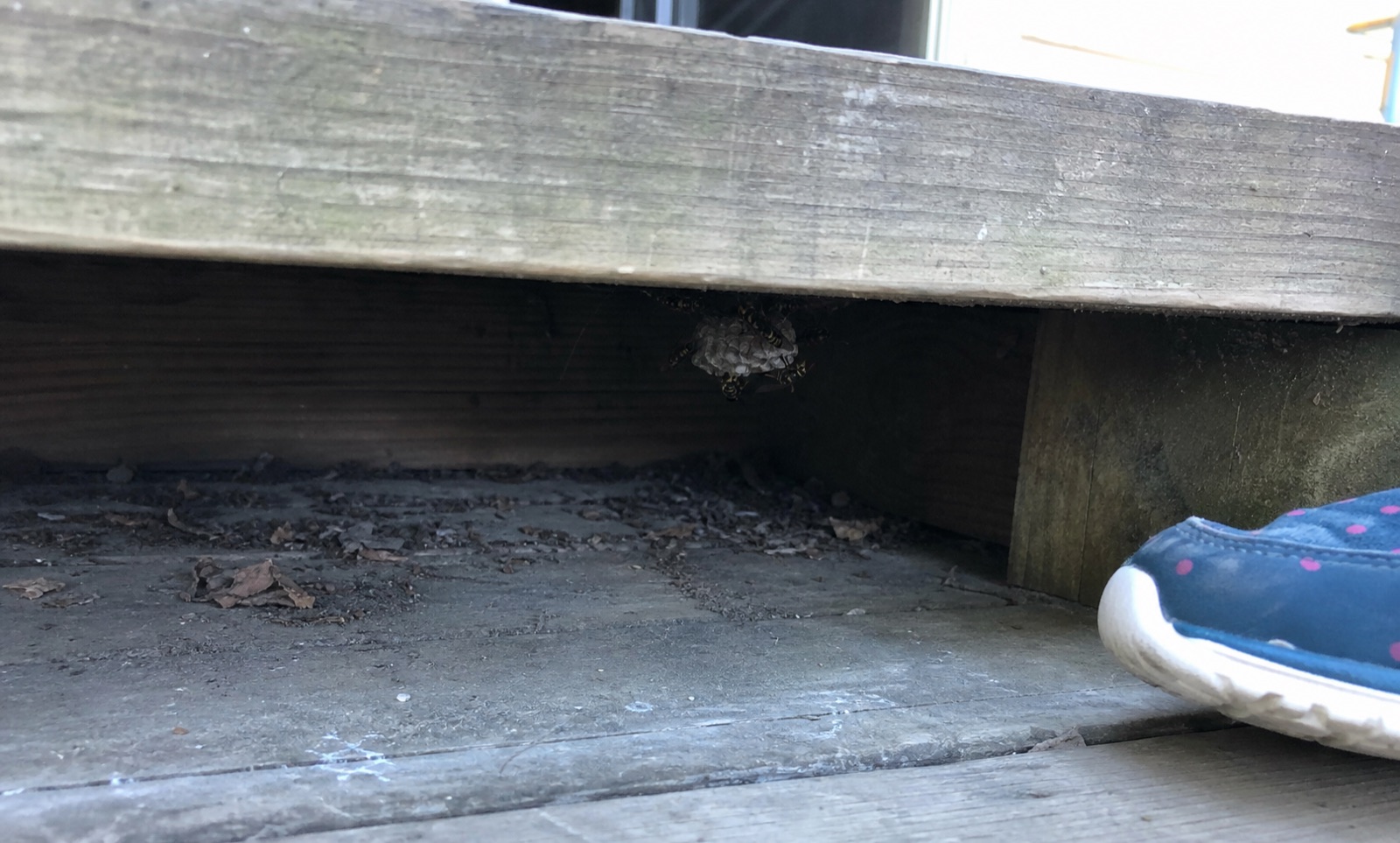
Paper wasp nests are often open, umbrella-shaped combs under eaves or sheltered structures. Yellow jacket nests are often hidden in ground holes, wall voids, or enclosed spaces with heavy traffic at one entrance.
Check first
- Whether the nest is open and visible or hidden in a cavity
- Traffic level at the entrance and proximity to people or pets
- Ground holes, wall gaps, soffits, eaves, decks, and sheds
Avoid this
- Blocking a wall or ground entrance while insects are active
- Shaking, spraying, or knocking down a nest during daytime traffic
- Approaching nests if allergic risk or heavy activity is present
Overview
Wasp and yellow jacket nests can both be risky near people, but the nest location and traffic pattern often differ. Paper wasps commonly build open umbrella-shaped nests, while yellow jackets may nest in ground voids, walls, or enclosed cavities.
Key signs to check
What to do now
- 1Observe from a safe distance to find the entry point and traffic pattern.
- 2Keep people and pets away from active nest entrances.
- 3Do not block wall void or ground nests while insects are active.
- 4Use professional help for hidden nests, large nests, or high-traffic areas.
Prevention checklist
When to call a professional
Call a professional for yellow jacket nests, wall void nests, ground nests, large nests, or any nest near high-use areas.
FAQ
Can I plug a yellow jacket hole?
No. Blocking the entrance can force insects indoors or create aggressive activity.
Are paper wasps always dangerous?
They are often less aggressive away from the nest, but nests near people still need caution.