Photo confirmation checklist
Use these visual checks to compare the pest, the evidence, and the likely source area before choosing a treatment path.
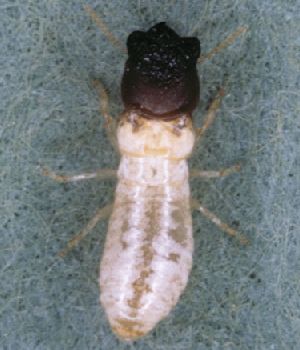
Frass clue
Drywood termite pellets
Look for recurring, pellet-like debris below trim, furniture, attic wood, or tiny kick-out holes.
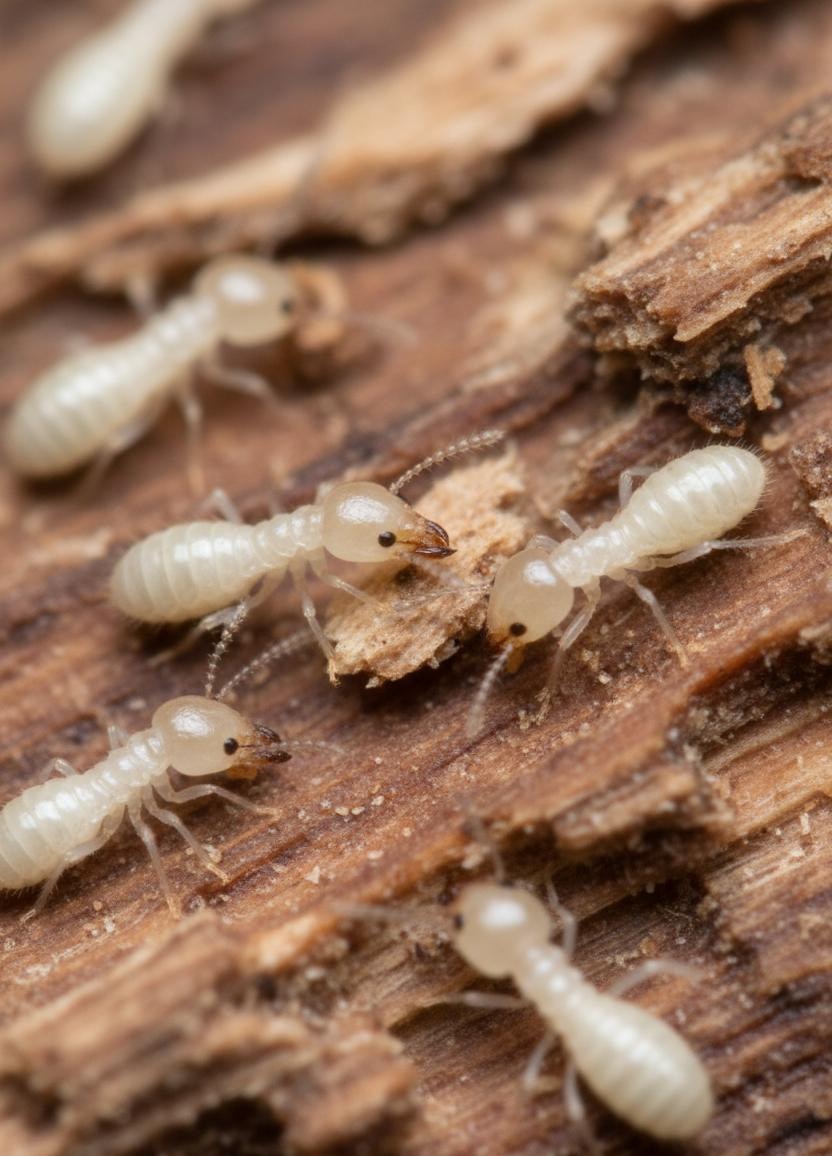
Structural clue
Subterranean termite clues
Mud tubes, soil contact, and moisture patterns point more toward subterranean termite activity.
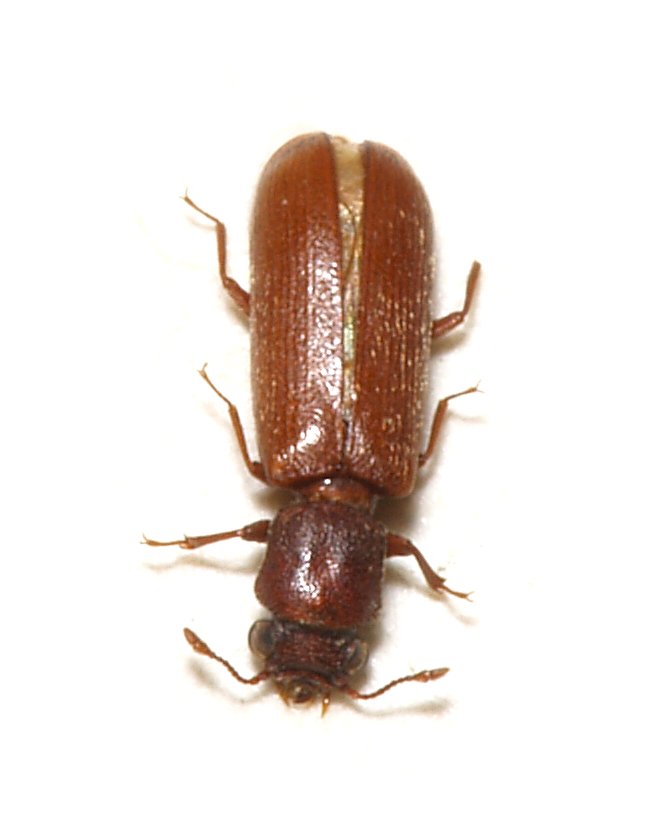
Look-alike clue
Beetle or ant debris
Powdery dust or coarse debris may come from beetles, carpenter ants, or mechanical wood damage.
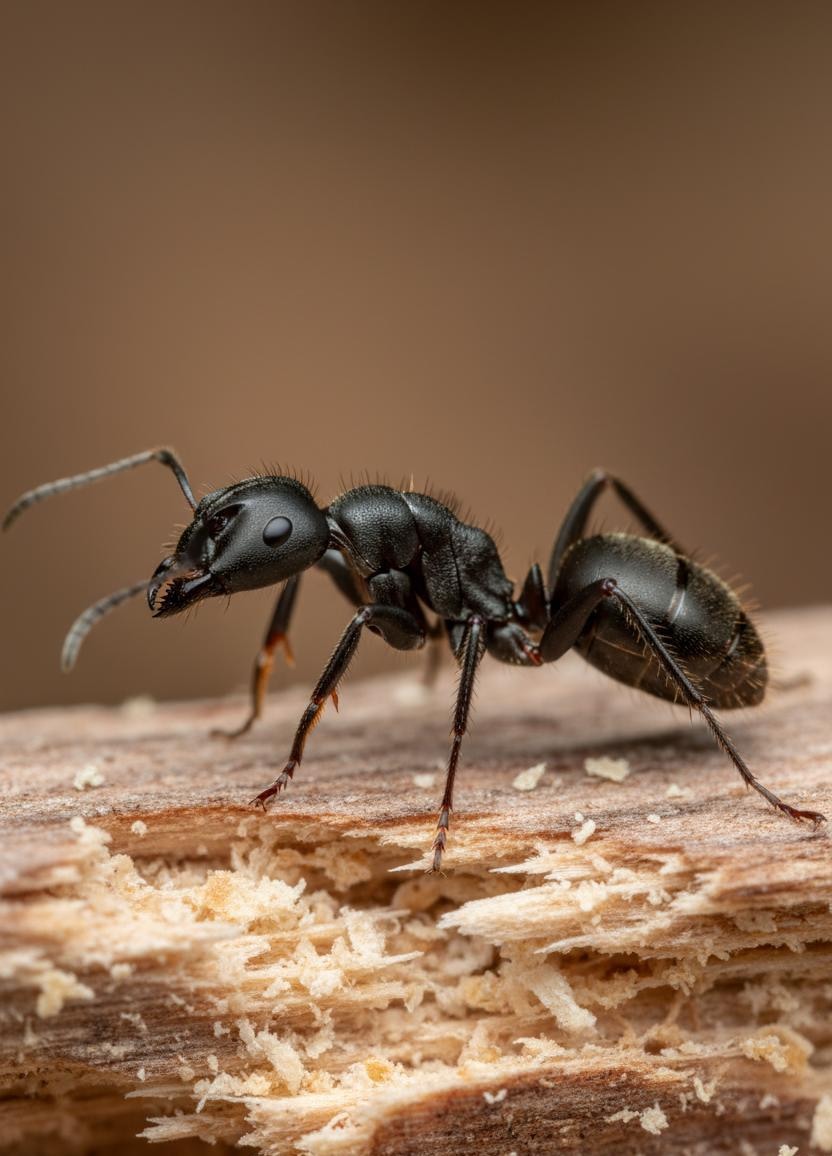
Evidence guide
Carpenter Ant Frass
Use this evidence type to confirm whether the sign fits the pest problem.
Quick answer
What to know first
Drywood termite frass often looks like small, hard, similarly sized pellets below tiny kick-out holes. Sawdust is usually more irregular and powdery. Supporting clues such as holes, wings, galleries, or recurring piles matter.
Check first
- Pellet shape, color variation, and whether the pile reappears after cleaning
- Tiny holes, damaged wood, wings, or visible galleries
- Recent drilling, sanding, furniture damage, or other dust sources
Avoid this
- Vacuuming the pile before taking photos
- Assuming every wood-colored pile is harmless sawdust
- Opening damaged wood before inspection if termites are possible
Overview
Piles of debris near wood can come from termites, carpenter ants, beetles, or ordinary construction dust. Termite frass is often more pellet-like and may appear below tiny kick-out holes, while sawdust is usually softer, irregular, and tied to cutting, sanding, or damaged wood.
Key signs to check
What to do now
- 1Photograph the debris, nearby holes, and surrounding wood.
- 2Clean the pile once and monitor whether it reappears in the same spot.
- 3Check for wings, hollow wood, soft spots, or visible galleries.
- 4Schedule inspection if frass keeps returning or structural wood is involved.
Prevention checklist
When to call a professional
Call a termite professional when pellet-like frass returns, holes are visible, or damaged wood may be structural.
FAQ
Can termite frass be different colors?
Yes. It can vary with the wood being consumed, so shape, location, and recurrence matter more than color alone.
Does subterranean termite activity leave frass piles?
Subterranean termites are more associated with mud tubes and soil contact, while drywood termites are more associated with pellet-like frass.