Profilo verificato dell’infestante
How to Identify Bed Bugs
Revisionato July 2026
Small blood-feeding insects that hide close to beds, couches, and luggage. Look for dark fecal spots, shed skins, eggs, and clustered bites.
Questo è un profilo verificato. I risultati IA delle immagini caricate sono mostrati separatamente.
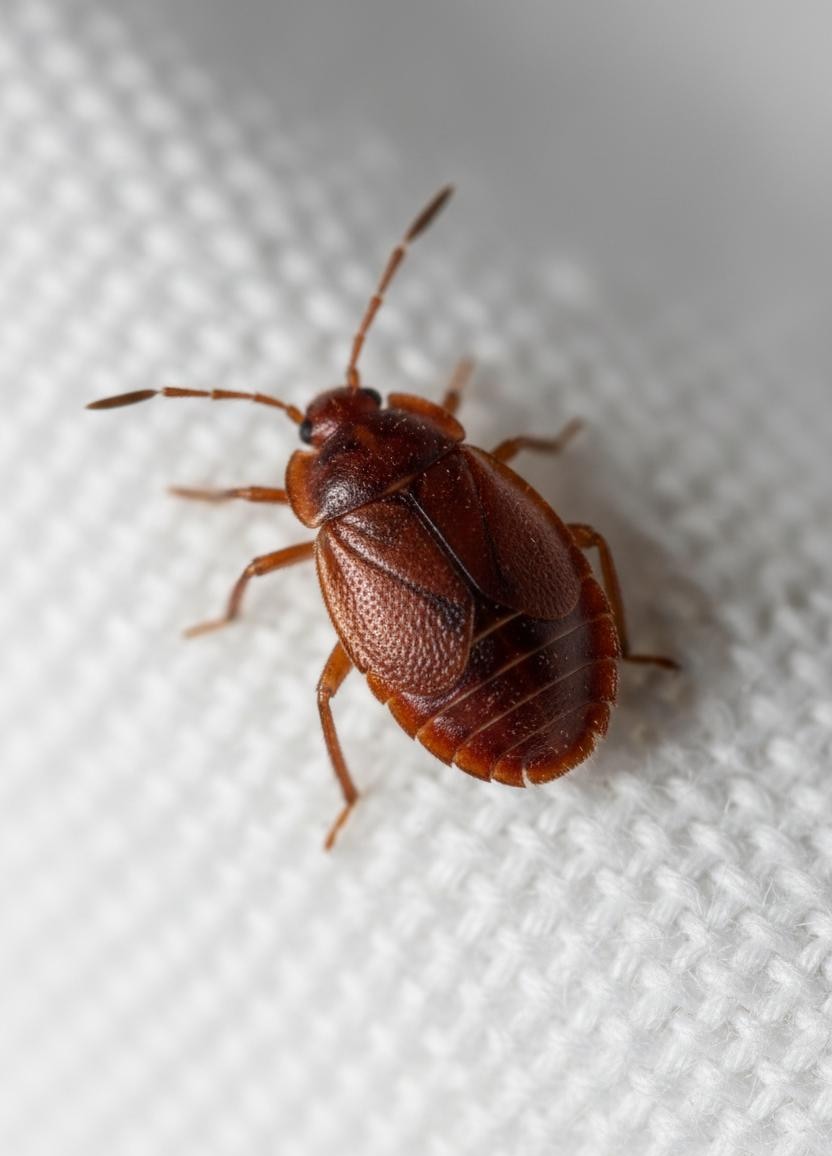
Bed Bugs
Cimex lectularius
Small blood-feeding insects that hide close to beds, couches, and luggage. Look for dark fecal spots, shed skins, eggs, and clustered bites.
Also known as bed bug, bed bugs.
Practical identification guidance
How to confirm Bed Bugs
Adult bed bugs are flat, oval, reddish-brown insects about the size of an apple seed, usually found close to sleeping areas.
Check these details
- Look for dark fecal spots, pale shed skins, eggs, and live insects in mattress and frame seams.
- Check the insect for a broad oval abdomen and absence of functional wings.
Avoid a false match
Carpet beetles, bat bugs, and small cockroach nymphs can be mistaken for bed bugs.
Best next step
Capture a specimen or sharp close-up and inspect nearby harborages before moving belongings.
Visual Confirmation Checklist
Use several clues together before confirming this pest. One photo or one sign can be misleading.
- Adults are flat, oval, reddish-brown insects about 5-7 mm long
- Nymphs are smaller and pale before feeding; eggs are tiny, white, and glued into cracks
- Often found in mattress seams, box springs, bed frames, headboards, sofas, and luggage
Signs of Infestation
- Black fecal spotting on mattress seams, sheets, headboards, or nearby furniture
- Shed skins, eggs, or live bugs in tight cracks near sleeping or resting areas
- Repeated bite clusters or lines after sleeping, especially when paired with physical evidence
Habitat
- mattress seams
- box springs
- bed frames
- headboards
- sofas
- luggage
Health Risk
Bed bugs are not known to spread disease, but bites can cause itching, allergic reactions, sleep disruption, anxiety, and secondary skin infection from scratching.
First Steps
- Check mattress seams, box spring edges, headboard cracks, and nearby furniture with a flashlight
- Bag bedding and recently worn clothes before moving them; wash and dry on high heat
- Vacuum seams, cracks, and baseboards, then empty the vacuum outdoors
- Do not move furniture to another room, which can spread the infestation
Treatment Methods
- Bag and launder bedding, clothing, and washable fabrics on high heat, then dry on the hottest safe setting
- Vacuum mattress seams, bed frames, baseboards, and furniture cracks; discard the vacuum contents outdoors
- Install bed bug-rated mattress and box spring encasements and isolate the bed from walls and skirts
- Use steam on seams and cracks where heat can safely reach; avoid scattering bugs with repellent sprays
- Do not move infested furniture through the home unless it is sealed, treated, or discarded properly
Professional Treatment Options
- Whole-room heat treatment with temperature monitoring
- Targeted residual treatment in cracks, seams, baseboards, and wall voids
- Follow-up inspection and treatment 10-21 days later
- Canine or detailed visual inspection for hard-to-find infestations
Call a professional when you find live bugs, repeated bites with physical evidence, activity in more than one room, or signs in apartments, hotels, dorms, or shared housing.
Prevention Tips
- Inspect hotel beds and upholstered furniture before placing luggage nearby
- Keep luggage off beds and floors while traveling, then inspect and heat-dry clothing after returning
- Use mattress encasements and reduce clutter around sleeping areas
- Inspect second-hand furniture before bringing it indoors
- Seal cracks around baseboards, bed frames, and wall fixtures near sleeping areas
Evidence and Comparison
Evidence to Compare
- Check for evidence such as live bugs.
- Check for evidence such as fecal spots.
- Check for evidence such as shed skins.
- Check for evidence such as eggs.
- Check for evidence such as bite clusters.
Commonly Confused With
- Compare carefully with fleas.
- Compare carefully with carpet beetles.
- Compare carefully with bat bugs.
Life Cycle
Females lay small eggs in hidden cracks. Nymphs require blood meals between molts and can become adults in several weeks under warm indoor conditions.
FAQ
Can bed bugs spread disease?
They are not known to transmit disease, but their bites can cause allergic reactions, skin irritation, sleep loss, and stress.
Can I solve bed bugs with a single spray?
Usually no. Successful control normally requires inspection, heat or targeted treatment, encasements, vacuuming, and follow-up because eggs and hidden bugs are easy to miss.
Indicazioni sui parassiti verificate
Questo profilo proviene dalla libreria verificata di Pest Or Not e aiuta nel confronto visivo, nella valutazione del rischio e nei passi successivi.
Ultima revisione July 2026
Pest Or Not ha scopo informativo e non sostituisce il parere medico, le etichette dei pesticidi, le norme locali o un’ispezione professionale.
L’IA può aiutare a classificare le immagini caricate e a organizzare le informazioni. Le indicazioni pubbliche vengono confrontate con la banca dati verificata e fonti autorevoli.
Come verifichiamo i contenuti