Photo confirmation checklist
Use these visual checks to compare the pest, the evidence, and the likely source area before choosing a treatment path.
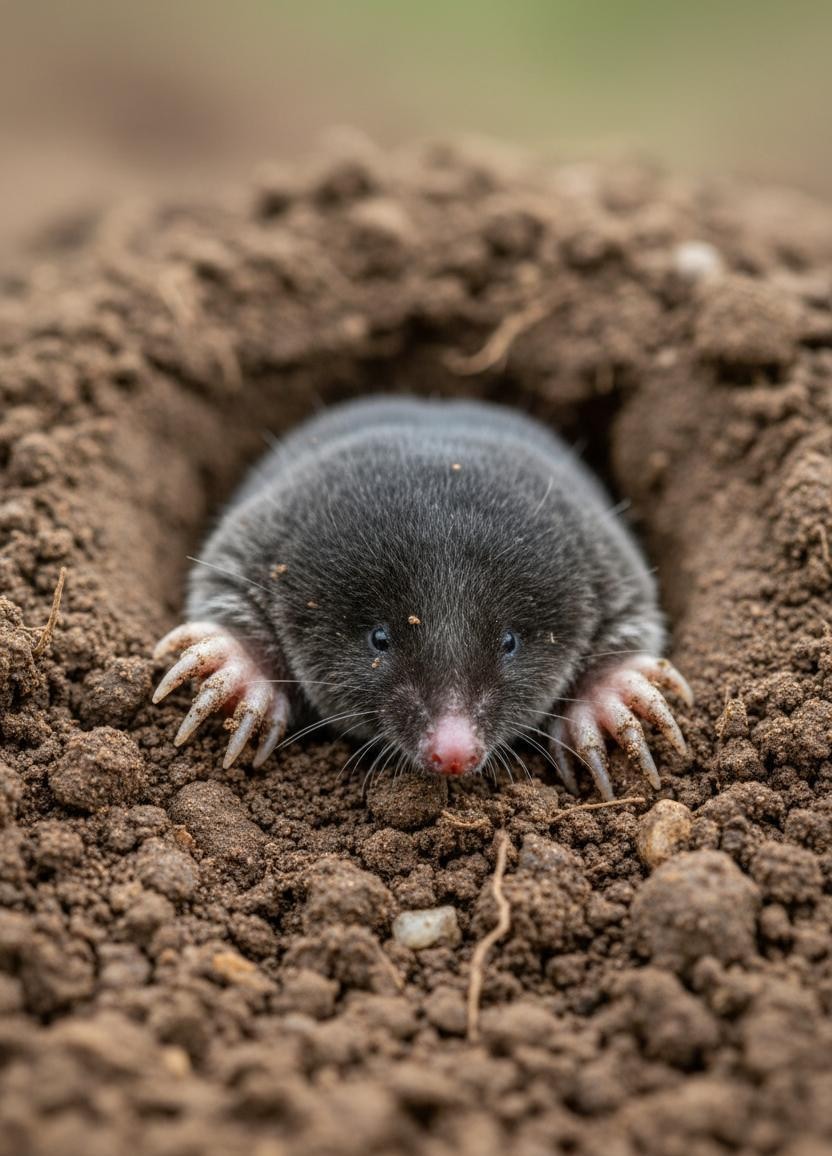
Pest profile
Mole
Compare the body shape, color, size, and common hiding areas for this pest.
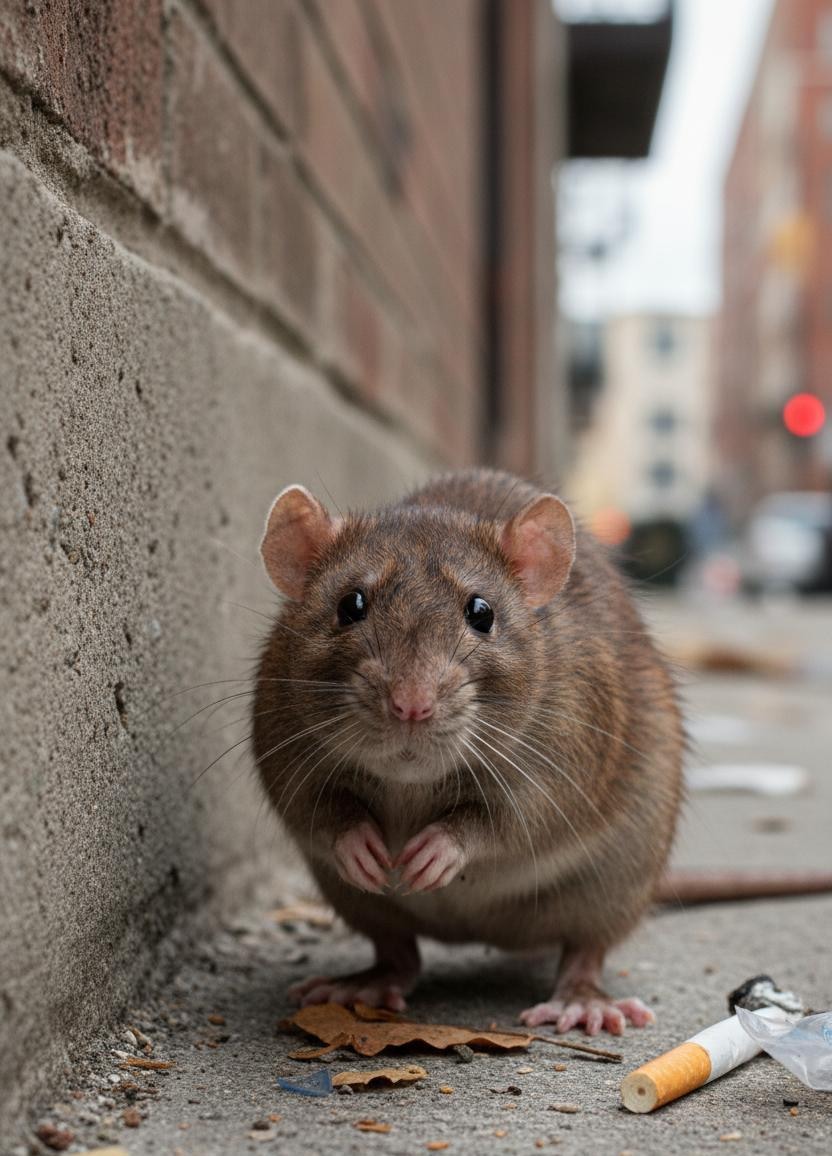
Pest profile
Rats
Compare the body shape, color, size, and common hiding areas for this pest.
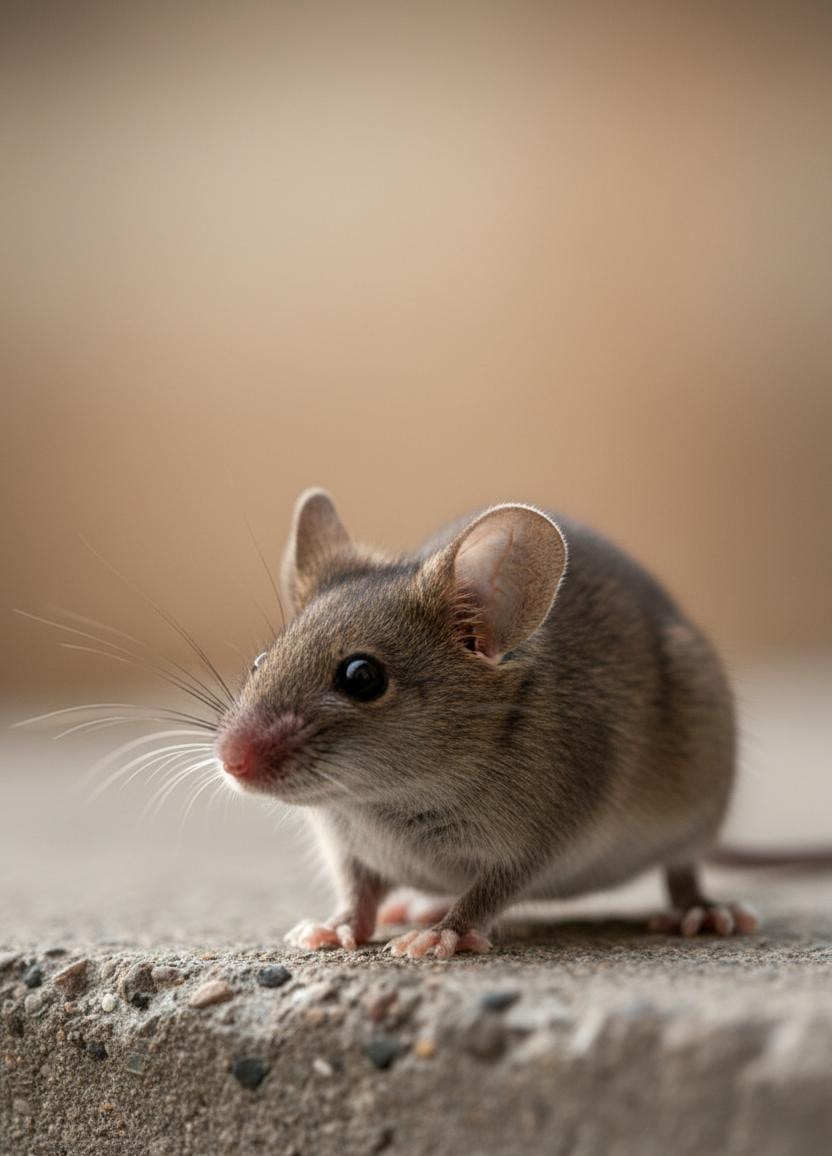
Pest profile
Mice
Compare the body shape, color, size, and common hiding areas for this pest.
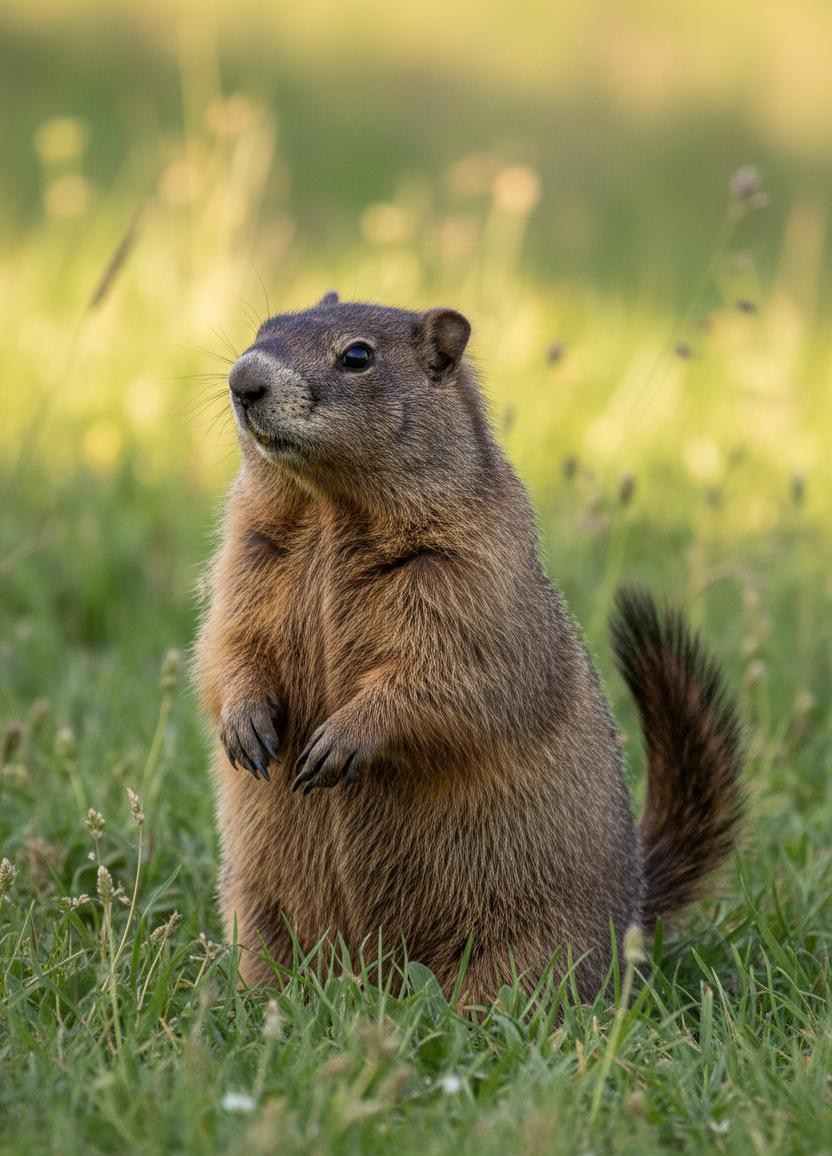
Pest profile
Groundhog
Compare the body shape, color, size, and common hiding areas for this pest.
Quick answer
What to know first
Moles usually create raised surface tunnels and soil mounds without obvious gnawing. Rodent burrows are more likely to have open entrance holes, droppings, tracks, gnaw marks, or food access nearby.
Check first
- Raised lawn tunnels, volcano-like mounds, or plugged soil piles
- Open burrow holes, tracks, droppings, gnaw marks, or food sources
- Whether damage is in turf, garden beds, foundations, sheds, or compost areas
Avoid this
- Assuming every soil mound is a rodent problem
- Using poison without identifying the animal
- Collapsing evidence before photographing tunnel and hole patterns
Overview
Mole activity and rodent burrows can both disturb soil, but the clues differ. Moles create raised tunnels and soil mounds while hunting insects, while rodents often leave open burrow entrances, gnaw marks, droppings, tracks, or food-related signs.
Key signs to check
What to do now
- 1Photograph mound shape, tunnel ridges, and any open holes.
- 2Look for droppings, tracks, gnaw marks, and nearby food sources.
- 3Avoid treating until the animal group is reasonably identified.
- 4Use exclusion or trapping strategies matched to the confirmed pest.
Prevention checklist
When to call a professional
Call a professional when burrows threaten foundations, animals are under structures, or identification remains unclear after inspection.
FAQ
Do moles eat plant roots?
Moles mainly eat insects and earthworms, but their tunnels can disturb roots and soil.
Are open holes usually moles?
Not always. Open holes are often more consistent with rodents or other burrowing wildlife.