How to use this evidence
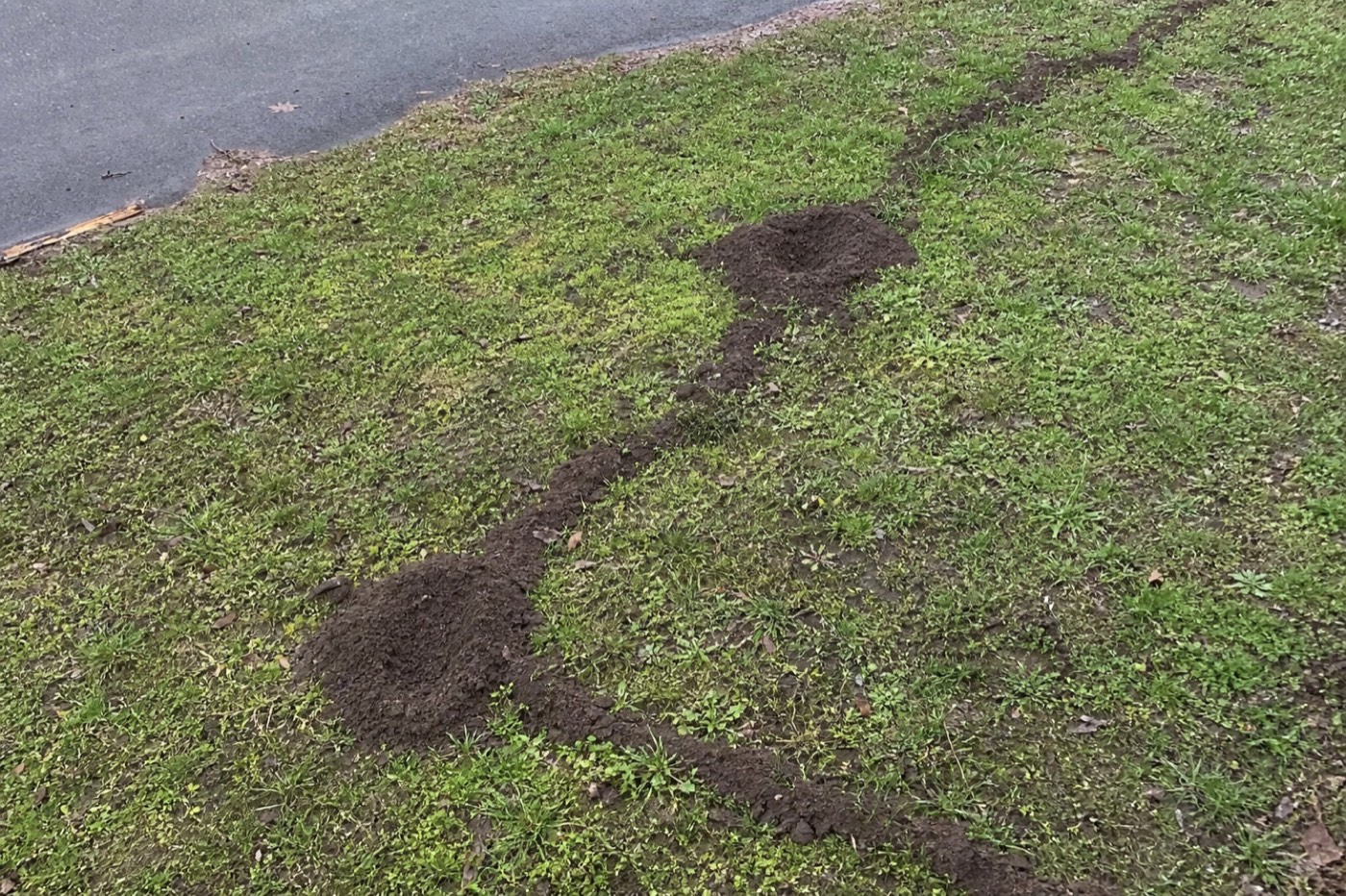
A clear photo can support a visual comparison with known pest evidence.
A photo alone cannot confirm the source or extent of an infestation. Check for matching physical evidence nearby.
What you found
Mole holes and tunnels appear as raised surface ridges running through lawn grass and cone-shaped mounds (molehills) of excavated soil. While moles do not eat plants, their extensive tunneling activity damages grass roots, dislodges plants, and creates unsightly ridges throughout lawns.
Common places to check
- Inspect lawn and nearby hiding spots for matching evidence.
- Inspect garden and nearby hiding spots for matching evidence.
- Inspect yard and nearby hiding spots for matching evidence.
- Inspect golf courses and nearby hiding spots for matching evidence.
- Inspect parks and nearby hiding spots for matching evidence.
How to identify it
What it may indicate
Property context
Damages lawn aesthetics and grass health. Tunneling uproots plants and damages root systems.
Infestation context
Active tunneling indicates one or more moles actively hunting in the area. Moles are solitary, so multiple tunnels may mean multiple animals.
Recommended actions
- 1Collapse active tunnels and check daily to identify which tunnels are re-excavated
- 2Place scissor-jaw or harpoon traps in active tunnels
- 3Apply castor oil-based repellents to the lawn surface
- 4Treat the lawn for grubs to reduce the mole's food source
- 5Install underground barriers around gardens
Prevention and monitoring
Professional options
- Professional trapping program targeting active tunnels
- Lawn assessment and grub management to reduce food sources
- Underground bait system installation
- Exclusion barrier installation for garden protection
Explore pages related to Mole Holes & Tunnels
Follow the cluster from this evidence page to matching pest profiles and practical guides.
Guides using this evidence
Practical treatment and prevention pages where this sign matters.
General Prevention
Yard Pest Prevention: Reduce Standing Water, Food, Shelter, and Entry
A seasonal yard pest prevention checklist for mosquitoes, rodents, ants, wasps, ticks, and nuisance wildlife.
Wildlife
Mole Holes vs Rodent Burrows: Lawn Mounds, Tunnels, and Tracks
Compare mole activity with rodent burrows by mound shape, tunnel ridges, entry holes, gnawing, tracks, and lawn damage.
Pest profiles to compare
Likely pests connected to this evidence type.