Photo confirmation checklist
Use these visual checks to compare the pest, the evidence, and the likely source area before choosing a treatment path.
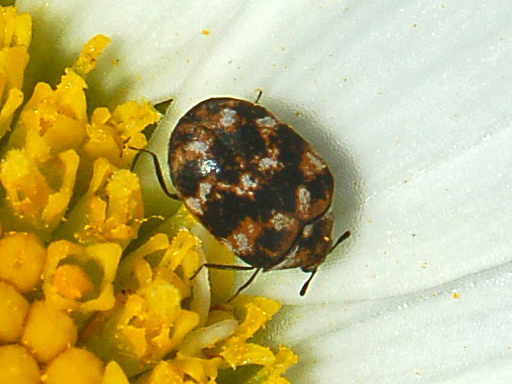
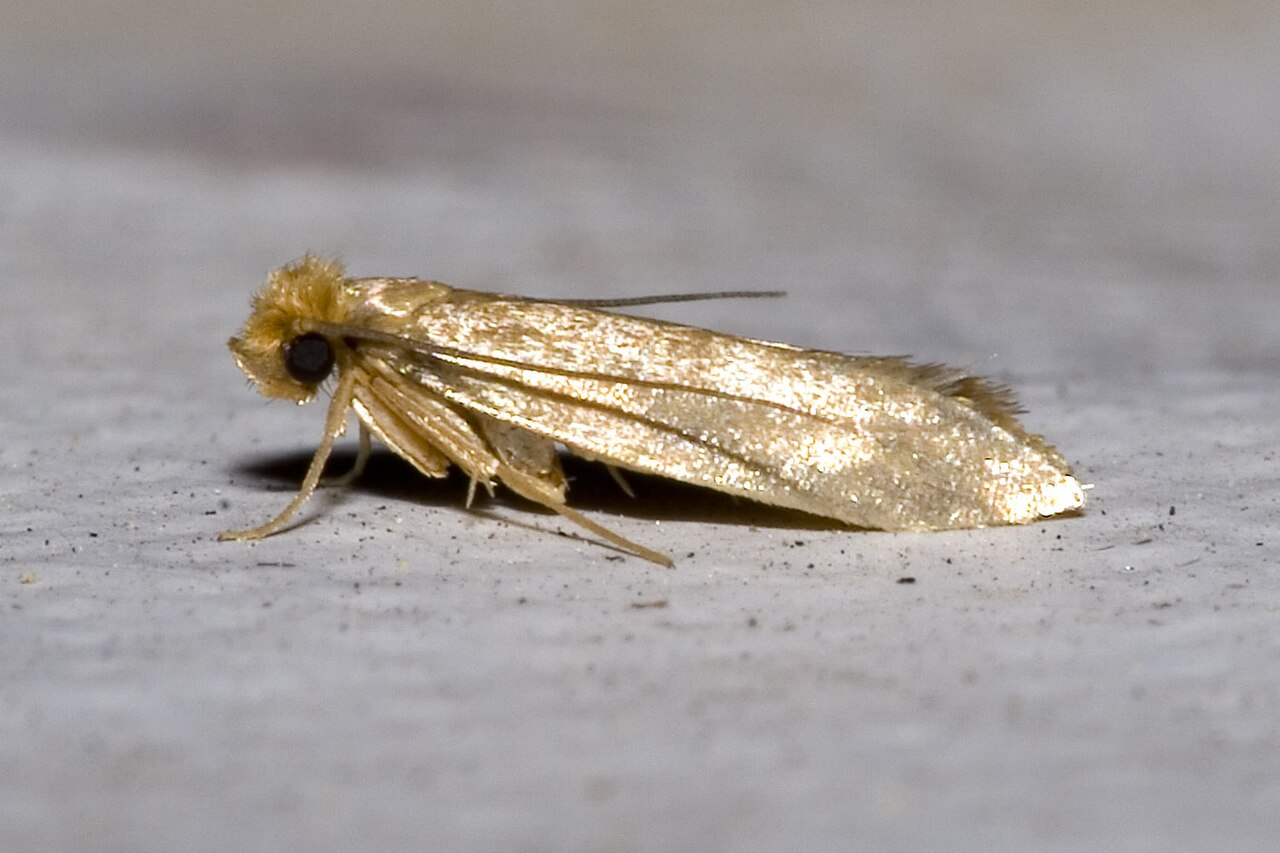
Quick answer
What to know first
Carpet beetle larvae feed on natural fibers, lint, pet hair, feathers, and stored organic material. Adults may be seen near windows, but the damaging stage is usually hidden in closets, rugs, vents, or storage.
Check first
- Fuzzy larvae or shed skins near fabrics
- Irregular holes in wool, silk, feathers, or felt
- Adults at windows or light sources
Avoid this
- Treating shelves without inspecting the infested food or fabric source
- Keeping packages that show webbing, larvae, holes, or cast skins
- Using pesticide directly on food, clothing, or bedding
Overview
Carpet beetle larvae feed on natural fibers, lint, pet hair, feathers, and stored organic material. Adults may be seen near windows, but the damaging stage is usually hidden in closets, rugs, vents, or storage.
Key signs to check
What to do now
- 1Vacuum edges, closets, rugs, and under furniture thoroughly.
- 2Wash or dry-clean vulnerable fabrics.
- 3Inspect stored clothing, taxidermy, wool rugs, and pet bedding.
- 4Discard heavily infested lint, debris, or damaged items if needed.
Prevention checklist
When to call a professional
Call a professional when larvae are widespread, valuable textiles are affected, or the source is hidden in wall voids or vents.
FAQ
Do adult carpet beetles damage clothes?
Larvae cause most fabric damage. Adults often feed on pollen outdoors.
Can carpet beetles live in clean homes?
Yes. Small lint, hair, or stored natural materials can support them.