Photo confirmation checklist
Use these visual checks to compare the pest, the evidence, and the likely source area before choosing a treatment path.
Quick answer
What to know first
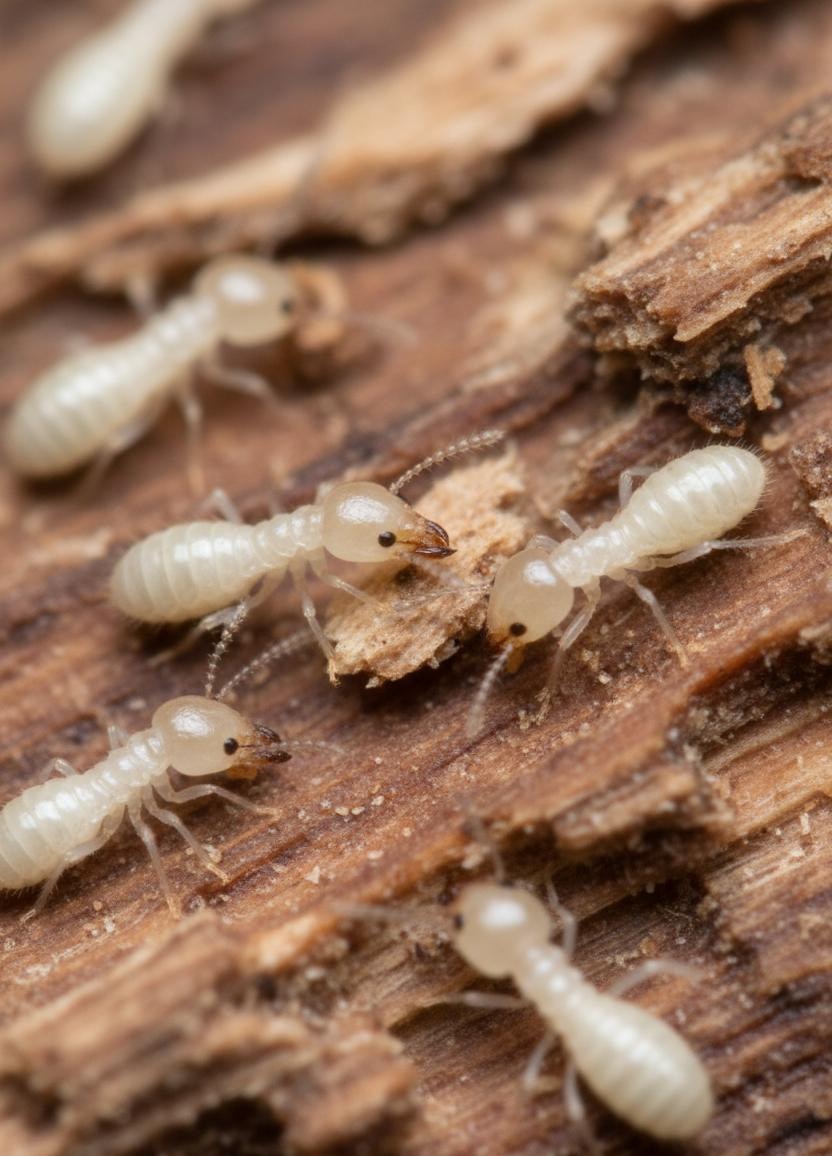
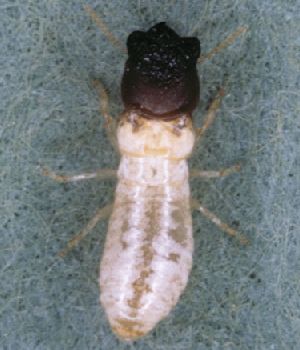
Termite damage is more likely when damaged wood appears with mud tubes, frass, galleries, or swarm wings. Water damage is more likely near leaks, staining, swelling, or repeated moisture.
Check first
- Mud tubes, frass, wings, galleries, or active insects
- Plumbing leaks, roof leaks, staining, swelling, and soft spots
- Whether damage follows a moisture path or pest evidence trail
Avoid this
- Removing all evidence before photographing it
- Assuming soft wood is only moisture damage
- Delaying inspection when structural wood is involved
Overview
Termite damage and water damage can both soften or deform wood, but they leave different supporting clues. Termites may leave mud tubes, galleries, frass, or swarm evidence, while water damage follows moisture patterns and leaks.
Key signs to check
What to do now
- 1Photograph damaged wood and nearby evidence before cleaning.
- 2Check for leaks, moisture, wood-to-soil contact, and drainage problems.
- 3Look for mud tubes, frass, wings, or active insects around the damage.
- 4Schedule inspection if structural framing, flooring, or supports are affected.
Prevention checklist
When to call a professional
Call a licensed termite professional when pest evidence appears with wood damage or the affected wood may be structural.
FAQ
Can water damage attract termites?
Yes. Moisture can make wood more attractive or accessible to several wood-damaging pests.
Is frass always termite evidence?
No. Frass can come from different insects, so shape, location, and other clues matter.