How to use this evidence
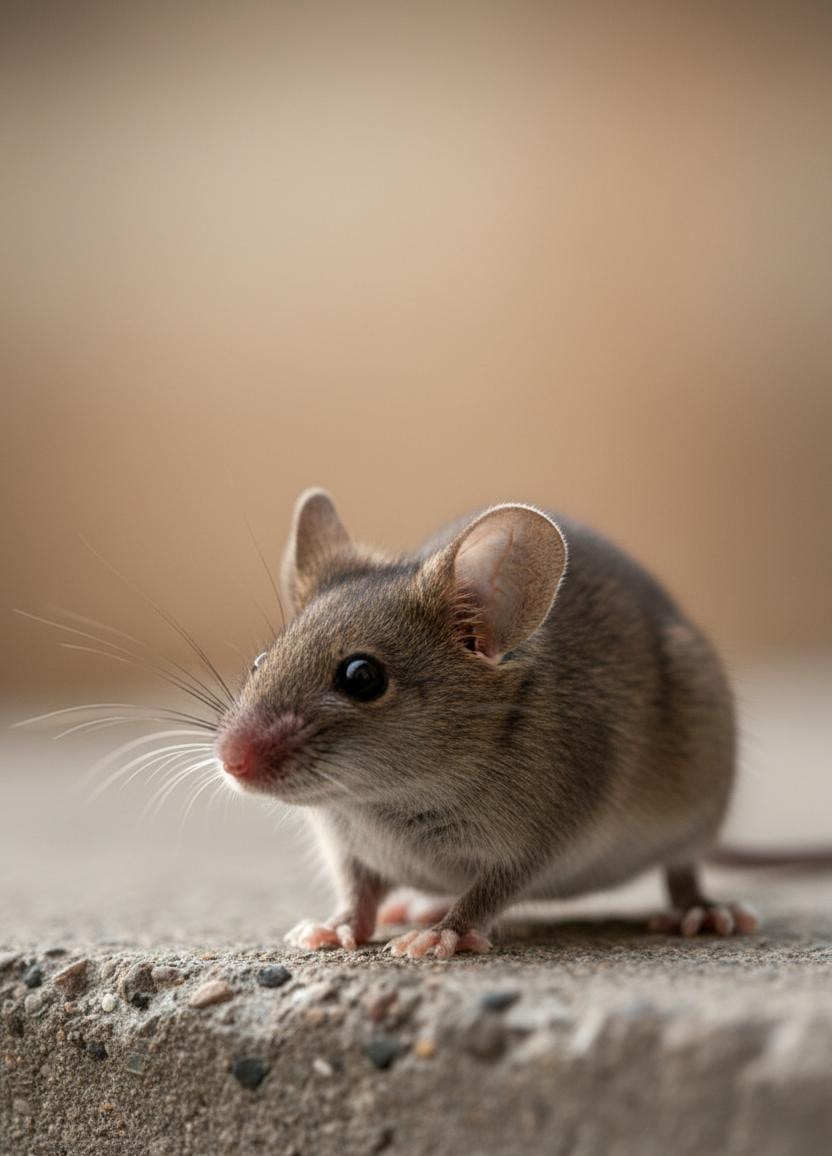
A clear photo can support a visual comparison with known pest evidence.
A photo alone cannot confirm the source or extent of an infestation. Check for matching physical evidence nearby.
What you found
Rodent gnaw marks are a telltale sign of mouse or rat activity. Rodents must gnaw constantly to keep their incisors from overgrowing. Their teeth leave distinctive parallel marks on wood, plastic, wires, and food packaging. Chewed electrical wiring is a serious fire hazard.
Common places to check
- Inspect baseboards and nearby hiding spots for matching evidence.
- Inspect food packaging and nearby hiding spots for matching evidence.
- Inspect electrical wiring and nearby hiding spots for matching evidence.
- Inspect door frames and nearby hiding spots for matching evidence.
- Inspect pvc pipes and nearby hiding spots for matching evidence.
How to identify it
What it may indicate
Structural context
Chewed wiring is a leading cause of house fires. Damaged PVC pipes can cause water leaks.
Health context
Gnaw marks on food packaging indicate direct contamination. Can spread pathogens to surfaces.
Infestation context
Fresh gnaw marks (light-colored wood exposed) indicate current activity.
Property context
Can destroy furniture, books, clothing, and household items.
Recommended actions
- 1Inspect all wiring for damage and repair or replace chewed sections immediately
- 2Set snap traps near gnawed areas
- 3Seal all entry points larger than 6mm (mice) or 12mm (rats)
- 4Remove all accessible food sources
- 5Use steel wool or metal mesh to block gnaw access points
Prevention and monitoring
Professional options
- Comprehensive inspection of wiring and structural damage
- Professional trapping and baiting program
- Exclusion work with rodent-proof materials
- Electrical inspection if wiring damage is suspected
Explore pages related to Rodent Gnaw Marks
Follow the cluster from this evidence page to matching pest profiles and practical guides.
Guides using this evidence
Practical treatment and prevention pages where this sign matters.
Rodents
Rodent Proofing: How to Seal Mice and Rats Out
A practical rodent proofing guide for entry points, food sources, trapping zones, sanitation, and monitoring.
Rodents
Mouse Control: What to Do When You Find Droppings
Step-by-step mouse control for droppings, traps, entry points, food storage, cleanup, and follow-up monitoring.
Rodents
Rat Control: Signs, Entry Points, and Safe First Steps
Learn how to respond to rat droppings, gnawing, burrows, garbage attraction, and high-risk entry points.
Wildlife
Squirrel Entry Prevention for Attics, Rooflines, and Vents
Prevent squirrel entry by checking roof gaps, vents, soffits, branches, chewing damage, and one-way exclusion timing.
Pest profiles to compare
Likely pests connected to this evidence type.