Quick answer
How to read this evidence
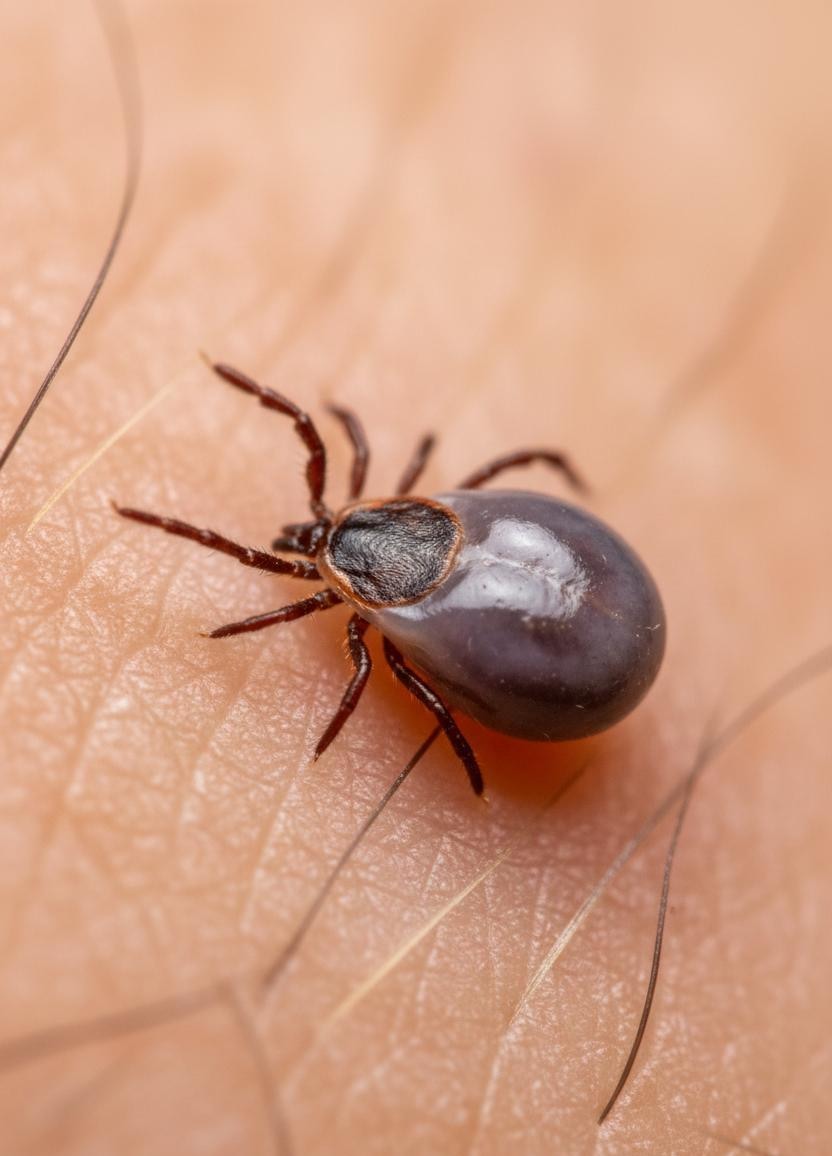
A tick bite may leave a small mark, but the most useful evidence is an attached tick or a recently removed tick. A bullseye-shaped or expanding rash needs medical attention, but not every tick bite produces one.
Confirm by checking
- An attached tick or a clear photograph of the removed tick
- Recent exposure to grass, brush, woodland, pets, or wildlife
- A small attachment point in a warm fold or along a clothing edge
Do not confuse with
- Flea bites often cluster around ankles and are linked to pets or carpets
- Mosquito bites are usually raised and itchy after outdoor exposure
- A spreading rash, fever, fatigue, or severe symptoms require medical assessment rather than photo-only identification
Practical identification guidance
What this tick bites evidence can tell you
A recent attached tick or a small local reaction may indicate a tick bite; symptoms and risk depend on the tick, location, and attachment time.
Check these details
- Record when and where exposure occurred and keep a clear photo of the tick when possible.
- Watch for an expanding rash, fever, severe headache, weakness, or worsening illness.
Avoid a false match
Not every tick bite causes a bullseye rash, and a rash cannot identify the tick species by itself.
Best next step
Remove an attached tick promptly with fine-tipped tweezers and seek medical advice for concerning symptoms.
How to use this evidence
A clear photo can support a visual comparison with known pest evidence.
Skin marks alone cannot identify the cause or provide a medical diagnosis. Check for physical pest evidence and seek medical advice for concerning symptoms.
What you found
Tick bites should be handled carefully because some ticks can transmit disease. Identification of the tick species, attachment time, and symptoms after removal are important.
Common places to check
- Inspect waistband and nearby hiding spots for matching evidence.
- Inspect hairline and nearby hiding spots for matching evidence.
- Inspect behind knees and nearby hiding spots for matching evidence.
- Inspect armpits and nearby hiding spots for matching evidence.
- Inspect pets and nearby hiding spots for matching evidence.
How to identify it
What it may indicate
Health context
Some ticks can transmit Lyme disease, ehrlichiosis, Rocky Mountain spotted fever, and other illnesses.
Infestation context
Ticks found repeatedly may indicate yard, pet, or wildlife exposure.
Recommended actions
- 1Remove attached ticks with fine-tipped tweezers close to the skin
- 2Clean the bite area after removal
- 3Save or photograph the tick for identification
- 4Monitor for rash, fever, fatigue, or unusual symptoms
Prevention and monitoring
Professional options
- Medical evaluation if symptoms develop after a bite
- Yard treatment and habitat modification for repeated exposure
- Pet prevention plan through a veterinarian
FAQ
What does a tick bite look like?
It may look like a small red mark after the tick is removed, but appearance varies. An attached tick or a photo of the removed tick is stronger evidence than the skin mark alone.
Does every tick bite cause a bullseye rash?
No. Many tick bites do not produce a bullseye-shaped rash. An expanding rash or symptoms such as fever, fatigue, or headache should be assessed by a healthcare professional.
Explore pages related to Tick Bites
Follow the cluster from this evidence page to matching pest profiles and practical guides.
Guides using this evidence
Practical treatment and prevention pages where this sign matters.
General Prevention
Tick Prevention Around Yards, Pets, and Outdoor Gear
Reduce tick exposure with yard maintenance, repellents, pet prevention, clothing checks, and safe removal steps.
General Prevention
Tick Bite First Steps: Remove, Document, and Watch for Symptoms
What to do after a tick bite: safe removal, photo documentation, bite care, symptom monitoring, and when to seek medical advice.
Flying Insects
Tick Bites vs Mosquito Bites: Attachment, Timing, and Risk
Compare tick bites and mosquito bites by attachment evidence, outdoor exposure, bite timing, symptoms, and when medical advice matters.
General Prevention
When to Worry About a Tick Bite: Warning Signs and Next Steps
Learn which tick bite symptoms need prompt medical advice, how to remove a tick safely, and what details to record after exposure.
Pest profiles to compare
Likely pests connected to this evidence type.