Photo confirmation checklist
Use these visual checks to compare the pest, the evidence, and the likely source area before choosing a treatment path.
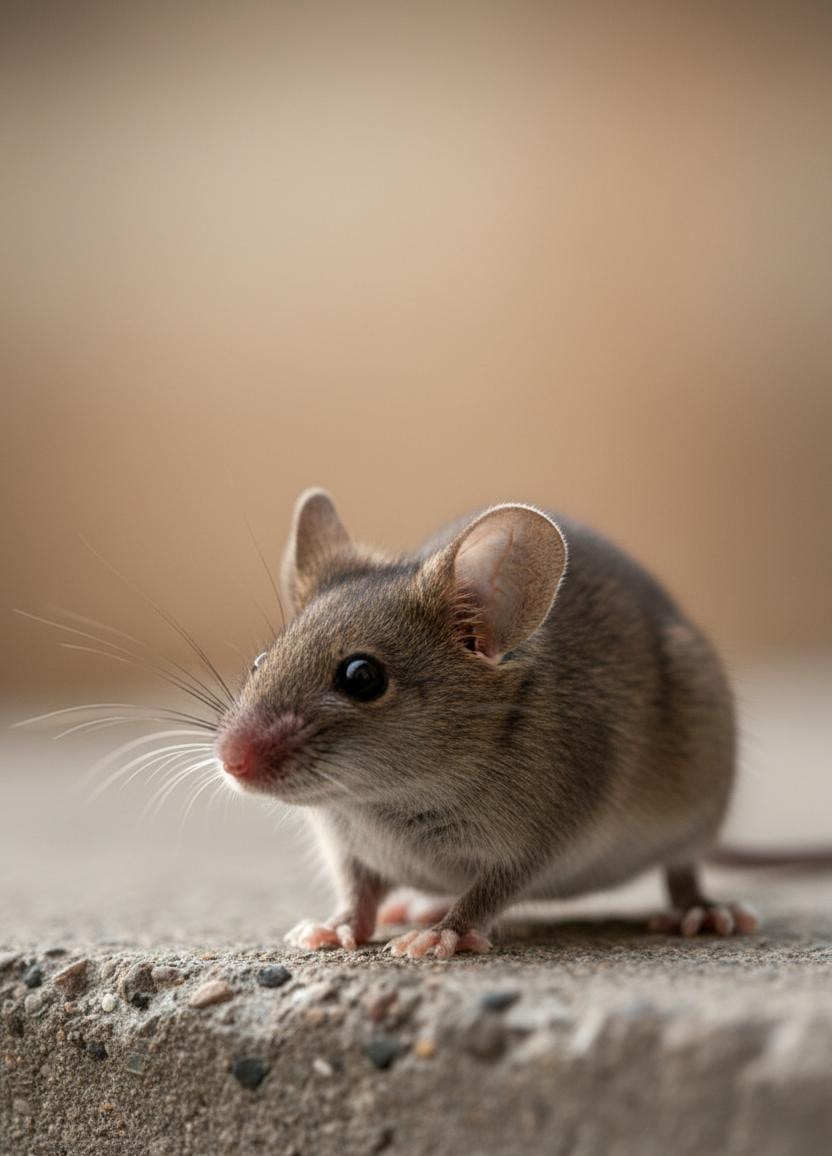
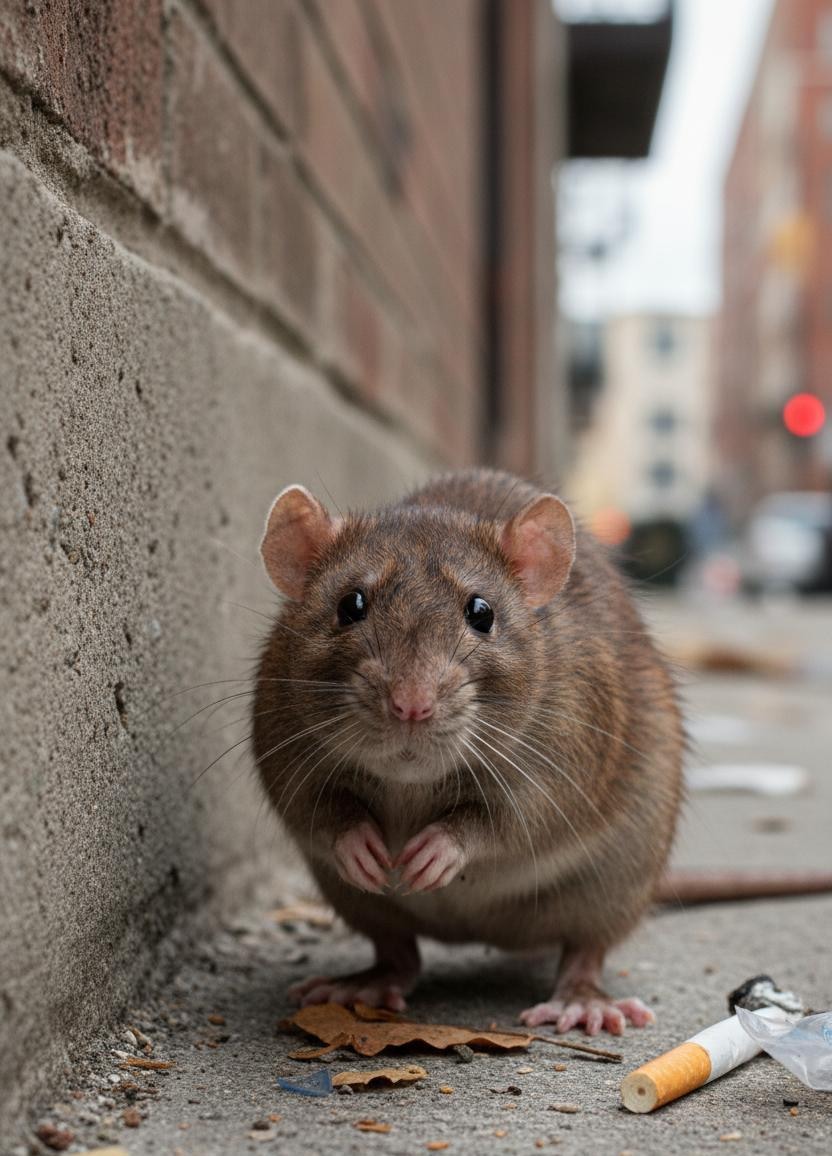
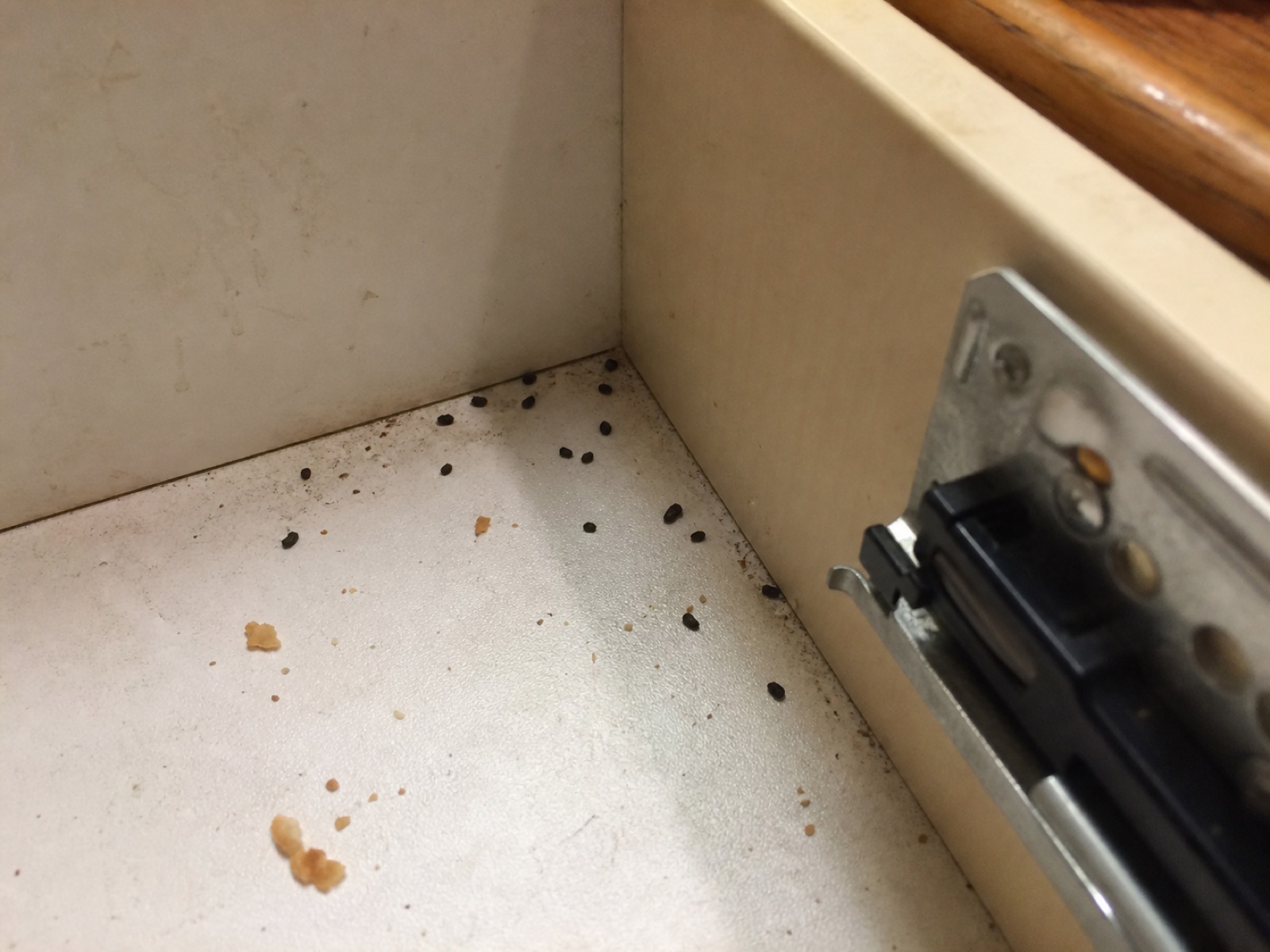
Quick answer
What to know first
Rodent proofing is not just sealing holes. It works when entry points, food sources, active runways, and traps are handled together so new rodents cannot replace the ones removed.
Check first
- Foundation gaps, utility openings, garage doors, vents, and roofline gaps
- Droppings, gnaw marks, grease marks, nesting material, or scratching sounds
- Food access from pantry items, pet food, garbage, or bird seed
Avoid this
- Using foam alone on rodent entry points
- Ignoring tiny mouse-sized gaps around pipes and doors
- Cleaning evidence before mapping where activity is strongest
Overview
Rodent proofing works when exclusion, trapping, sanitation, and monitoring happen together. Mice can enter very small gaps, and rats often exploit utility openings, foundation defects, vents, and doors.
Key signs to check
What to do now
- 1Inspect the exterior from ground level to roofline for gaps and utility openings.
- 2Seal mouse gaps larger than 1/4 inch and rat gaps larger than 1/2 inch.
- 3Use traps along walls where droppings or runways appear.
- 4Remove food, pet food, bird seed, and garbage access.
Prevention checklist
When to call a professional
Call a professional for roofline entry, repeated indoor activity, large droppings, wiring damage, or signs in inaccessible spaces.
FAQ
Can mice enter through tiny holes?
Yes. A mouse can enter through openings about the size of a pencil, so small gaps matter.
Should entry points be sealed before trapping?
Seal likely outside entry points while also trapping indoors, so rodents are not simply replaced by new arrivals.