How to use this evidence
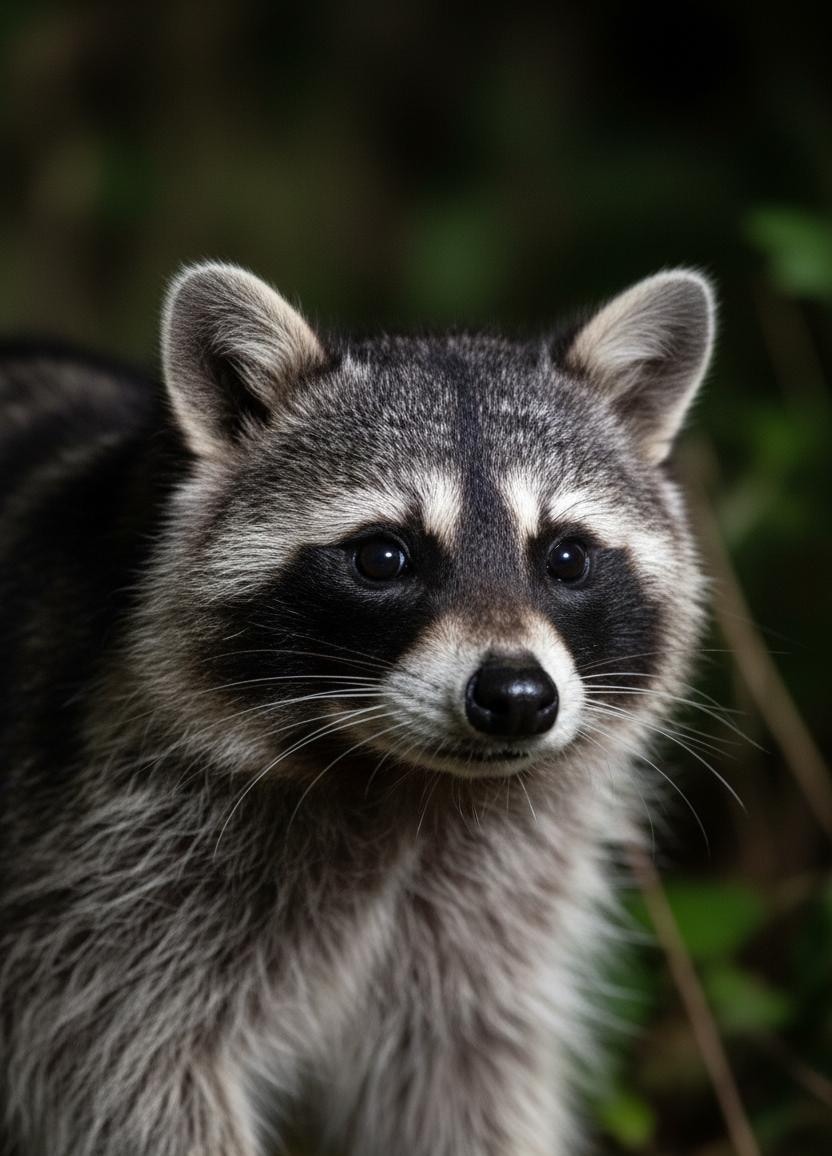
A clear photo can support a visual comparison with known pest evidence.
A photo alone cannot confirm the source or extent of an infestation. Check for matching physical evidence nearby.
What you found
Animal tracks are footprints left in mud, snow, dust, or soft soil that can help identify which wildlife species is active on your property. Different animals have distinctive track patterns: raccoons have five-fingered hand-like prints, squirrels have small four-toed prints with claw marks, and opossums show an opposable thumb on their hind feet.
Common places to check
- Inspect mud near water sources and nearby hiding spots for matching evidence.
- Inspect dusty attic floors and nearby hiding spots for matching evidence.
- Inspect snow-covered ground and nearby hiding spots for matching evidence.
- Inspect garden soil and nearby hiding spots for matching evidence.
- Inspect deck surfaces and nearby hiding spots for matching evidence.
How to identify it
What it may indicate
Infestation context
Tracks indicate an animal is regularly visiting or living on the property. Different animals require different control approaches.
Health context
Raccoon tracks near entry points may indicate latrine sites with roundworm eggs.
Property context
Identifying the correct species from tracks ensures the right prevention strategy is used.
Recommended actions
- 1Take clear photos of the tracks next to a ruler or coin for scale
- 2Compare tracks to online identification guides
- 3Look for additional signs: droppings, damage, or entry points near the tracks
- 4Set appropriate traps based on the identified species
- 5Install motion-activated cameras to confirm species and activity patterns
Prevention and monitoring
Professional options
- Wildlife tracking and species identification by professionals
- Strategic trap placement based on track patterns and travel routes
- Entry point assessment and exclusion planning
- Camera monitoring to confirm species and population size
Explore pages related to Animal Tracks
Follow the cluster from this evidence page to matching pest profiles and practical guides.
Guides using this evidence
Practical treatment and prevention pages where this sign matters.
Wildlife
Squirrel Entry Prevention for Attics, Rooflines, and Vents
Prevent squirrel entry by checking roof gaps, vents, soffits, branches, chewing damage, and one-way exclusion timing.
General Prevention
Yard Pest Prevention: Reduce Standing Water, Food, Shelter, and Entry
A seasonal yard pest prevention checklist for mosquitoes, rodents, ants, wasps, ticks, and nuisance wildlife.
Flying Insects
Tick Bites vs Mosquito Bites: Attachment, Timing, and Risk
Compare tick bites and mosquito bites by attachment evidence, outdoor exposure, bite timing, symptoms, and when medical advice matters.
Wildlife
Mole Holes vs Rodent Burrows: Lawn Mounds, Tunnels, and Tracks
Compare mole activity with rodent burrows by mound shape, tunnel ridges, entry holes, gnawing, tracks, and lawn damage.
Pest profiles to compare
Likely pests connected to this evidence type.