Photo confirmation checklist
Use these visual checks to compare the pest, the evidence, and the likely source area before choosing a treatment path.
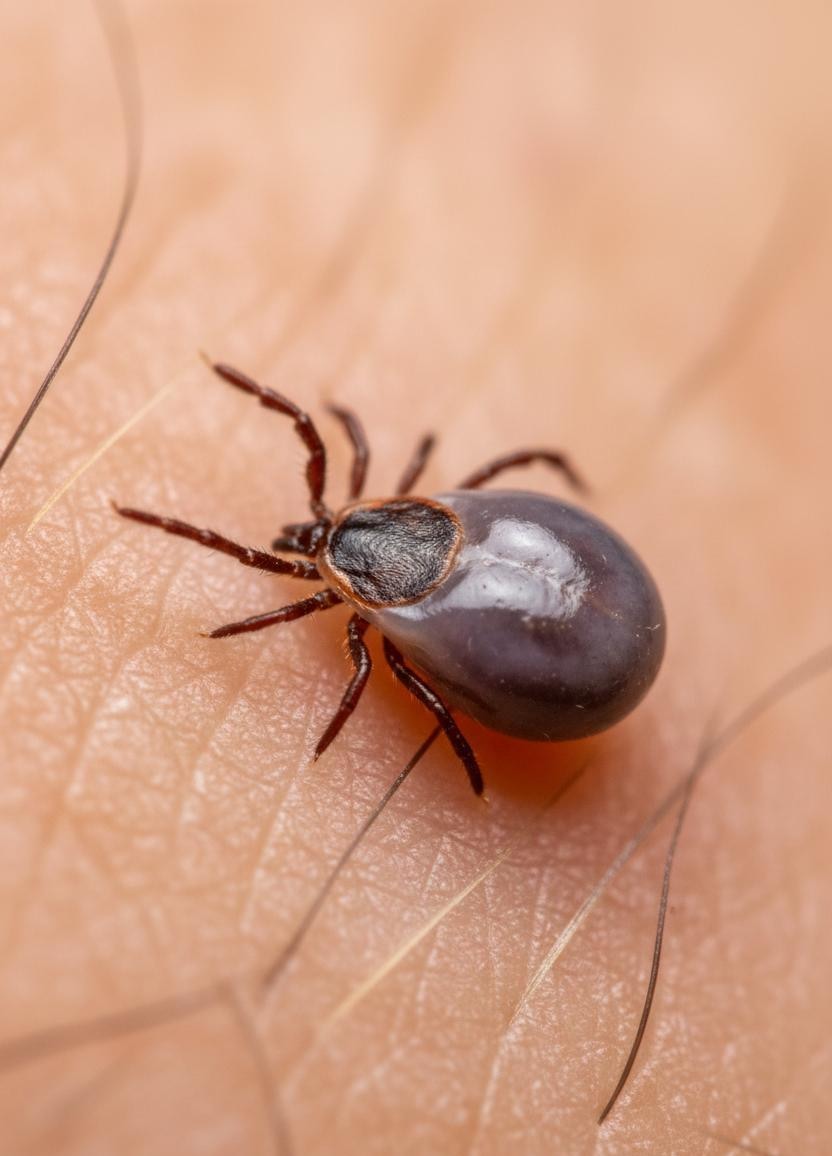
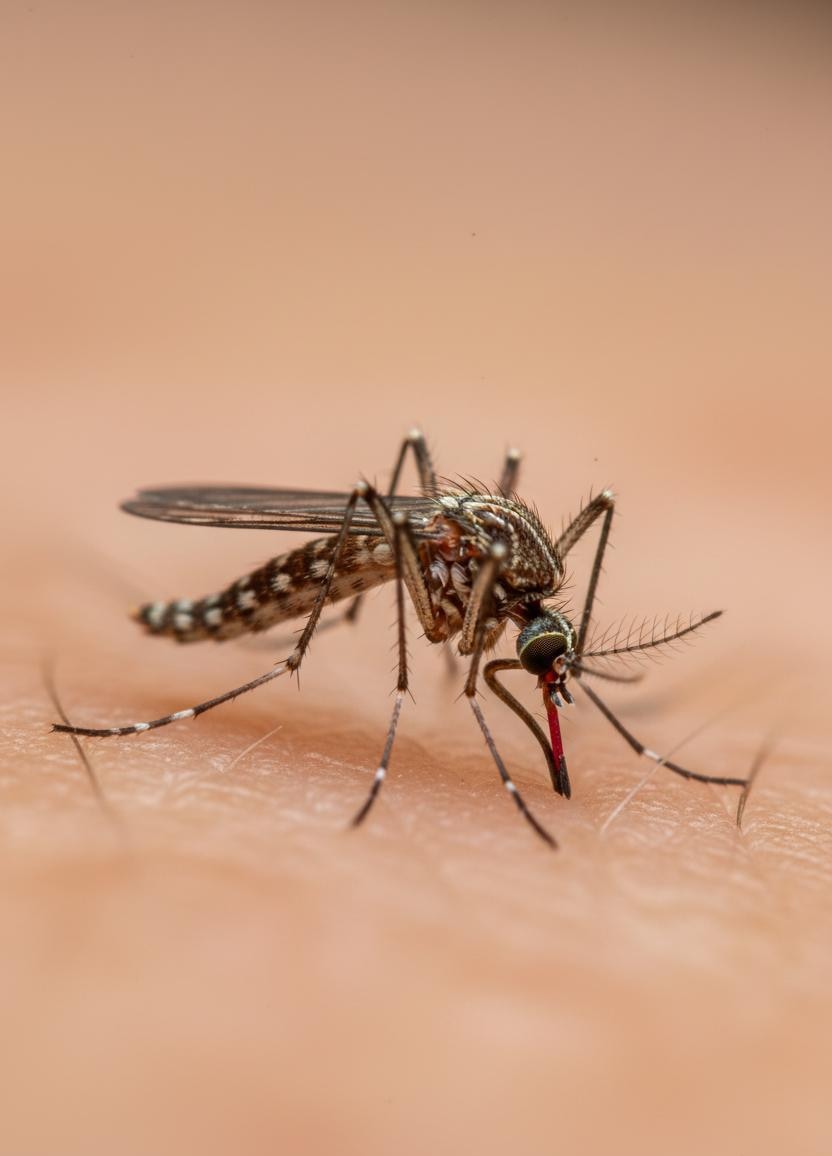

Quick answer
What to know first
A tick bite is more likely if a tick was attached or removed from the skin after grass, brush, pets, or wooded exposure. Mosquito bites usually appear after flying insect activity near dusk, water, or open windows.
Check first
- Whether a tick was attached or removed
- Recent brush, tall grass, wooded trails, pets, or wildlife exposure
- Mosquito activity near standing water, patios, or open windows
Avoid this
- Crushing or twisting an attached tick during removal
- Ignoring expanding rash, fever, or unusual symptoms
- Assuming all outdoor bites are mosquitoes
Overview
Tick bites and mosquito bites both follow outdoor exposure, but tick risk depends heavily on attachment and removal. Mosquito bites usually happen quickly and do not leave an attached arthropod behind.
Key signs to check
What to do now
- 1If a tick is attached, remove it carefully with fine-tipped tweezers.
- 2Save or photograph the tick if identification may be needed.
- 3Wash the bite area and monitor for unusual symptoms.
- 4Remove standing water and repair screens if mosquitoes are the likely source.
Prevention checklist
When to call a professional
Seek medical advice for concerning symptoms after a tick bite. Call pest help when ticks or mosquitoes remain common around the property.
FAQ
Can a tick bite look like a mosquito bite?
Yes. The strongest clue is whether a tick was attached or found nearby, not the bump alone.
Should I save the tick?
Saving or photographing it may help with identification if symptoms or questions arise.